Operations | Monitoring | ITSM | DevOps | Cloud

3 Essential Mobile Apps for Optimizing Your Device

Mobile devices have already become an extension of ourselves. We rely on them for communication, entertainment, work, and so much more. However, to ensure that we are making the most out of our gadgets, it's essential to equip them with the right set of apps. In this article, we'll explore three types of must-have apps that will optimize your device and enhance your overall mobile experience: productivity, security, and entertainment apps.


Useful Information You Should Know About Shipping Temperature-Sensitive Items

Navigating the complexity of shipping temperature-sensitive items can be challenging. From perishable foodstuffs to pharmaceuticals and art pieces, these delicate items require precise temperature control during transit to preserve quality. A lapse in maintaining the desired temperature can lead to a reduction in value or total loss. Understanding the intricacies involved is essential for anyone transporting these items, whether you're a small business owner, supply chain manager, or an individual sending a temperature-sensitive gift.

Security Considerations for Your Internal Developer Platform

In today's world, where cloud resources and data management tools play an increasingly critical role, the concept of an Internal Developer Platform (IDP) is gaining momentum. Imagine a platform where developers seamlessly design, build, and deploy applications. That's precisely the promise of IDPs. But here's the highlight: with great power comes greater responsibility. Security within IDPs isn't just an optional add-on; it's the core essence.

Using Rails with SES, SNS and SQS to avoid bounce rate

Amazon Simple Email Service (SES) is a cost-effective email service provided by AWS. It is by far the cheapest option available out there. Comparing the cost of sending emails with SES and other services like SendGrid or Mailchimp, it can be 100x cheaper. However there is a catch. Using SES directly, you will not get some of the features you might need to control the bounce rate of your emails.

Implementing Backstage 4: Security and Compliance

This is the fourth part of the “Implementing Backstage” series and explores how to ensure your Backstage application is secure and how Backstage can contribute to more secure practices in general. The previous installments focused on how to get started, using the core features, and integrating with existing tools using plugins. If you’re unfamiliar with Backstage and need an introduction, check out part one of the “Evaluating Backstage” series.

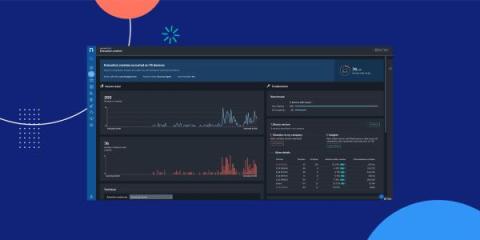
How Nexthink Helps You See and Diagnose Issues at Scale

Digital Employee Experience is vital to attract and keep the best employees. A solid DEX strategy also increases employee productivity and motivation, a selling point for business leadership across the board. Yet, IT teams have less and less ability to control the factors that make up the digital employee experience. Although IT still own the devices, most of the network and applications are managed by third-party vendors.

9 ChatOps tips your team should adopt today

Pandora FMS is an excellent monitoring system that helps collect data, detect anomalies, and monitor devices, infrastructures, applications, and business processes. However, more than monitoring alone is needed to manage the entire incident lifecycle. ilert complements Pandora FMS by adding alerting and incident management capabilities. While Pandora FMS detects anomalies, ilert ensures that the right people are notified and can take action quickly.

Semper vigilans: how Upsun stays ahead of emerging cybersecurity threats (so you don't have to)

October is Cybersecurity Awareness month. So, we’ve asked Diogo Sousa, Upsun Security team manager to share how his team contributes to helping customers protect their websites and applications from external threats, 24x7.

The Power of Data Correlation: Troubleshooting Made Easy

As software engineers, we all know that troubleshooting often involves sifting through heaps of data points — scanning metrics, reading logs, checking resource status and analyzing events. We manually connect the dots, and if we're experienced enough, we might spot an issue that's about to become a problem. At StackState, we've faced these same challenges.