Operations | Monitoring | ITSM | DevOps | Cloud

The Ins and Outs of Status Pages

Maintaining high customer satisfaction is one of the most important parts of running a business, and part of keeping your customers happy is keeping them updated. This is especially critical for e-commerce or other digital services businesses, as some customers may not think they are as transparent as in-person stores. Status pages provide real-time and accurate information on the health and performance of your online services.


After Hours Alerting for ConnectWise: Using SIGNL4 to Route CW Tickets to On-Call Engineers

As a business owner or manager, you understand the importance of efficient operations and effective communication, particularly after hours. You want to equip your on-call engineers with all the information they need to resolve a ticket when not at their desk. If you are using ConnectWise to manage your service tickets – here is some great addition to help with your after hours alerting.

Coralogix vs Grafana Cloud: Pricing, Features and More

While Grafana is one of the better known names in the industry, Coralogix offers a full-stack observability platform. Despite the popularity of the Grafana brand, the cloud based solution lacks in some key areas. This article will go over the differences between Coralogix and Grafana Cloud, from features, customer support, pricing and more.

Troubleshooting Azure Virtual Desktop (AVD) Sessions - Key User Experience and Graphics Metrics to Monitor

For Azure Virtual Desktop (AVD) sessions, Microsoft exposes a set of user experience and graphics performance counters that eG Enterprise monitors out-of-the-box. These performance counters for Azure Virtual Desktop and Remote Desktop Protocol (RDP) / RemoteFX sessions can be used to troubleshoot AVD problems.

Streamlining Kubernetes Operations with Enterprise Workload Automation

Kubernetes integrations are now available for AutoSys, dSeries, and Automic Automation. It wasn’t that long ago that teams in many organizations started dipping their toes into the world of containers and microservices. It didn’t take long for this approach to application development and orchestration to take hold, and for Kubernetes to emerge as a dominant, broadly used technology.

Unlocking Observability - Dive into OpenTelemetry's Top Use Cases

OpenTelemetry can be used for generating and collecting telemetry signals like logs, metrics, and traces. The advantage of using OpenTelemetry for observability is that it is open-source and frees you from vendor lock-in. You can use OpenTelemetry for multiple use cases OpenTelemetry is an open-source project which has emerged as the standard for achieving comprehensive observability in modern applications.

Introduction to Grafana Plugins

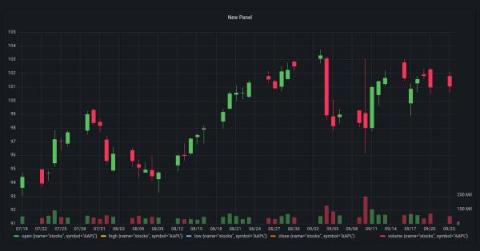
Grafana is a powerful open-source platform for monitoring and observability, but what truly makes it shine are its plugins. For technology engineers looking to expand Grafana's capabilities, plugins are the way to go. In this post, we'll dive into the world of Grafana plugins and offer some unique tips to get the most out of them.

What Are S3 Lifecycle Rules And When Should You Use Them?

Amazon Simple Storage (S3) has become a cornerstone in the world of cloud computing, offering scalable and secure object storage solutions for a wide range of applications. However, as data accumulates over time, managing it in an efficient manner becomes a challenge. This is where S3 Lifeycle Rules shine. These rules allow us to automate the transition of data between different storage classes and even schedule automatic deletions, which allows users to optimize costs and operational efficiency.

Azure API Management monitoring

Azure API Management is a Microsoft Azure cloud-based solution that helps businesses effortlessly create, publish, secure, and analyze APIs (Application Programming Interface). APIs are the building blocks of any business and play an essential role in data exchange. Azure API Management monitoring is vital to enable the business to function seamlessly. It helps early problem detection, resource optimization, and data-driven decision-making to increase the quality of the API ecosystem.