When it comes to employee success, the power of onboarding workflows cannot be understated. If you've landed here, there's a good chance you're grappling with the challenge of assimilating new hires seamlessly into your organization. Sound familiar? Fortunately, this article delves deep into answering those concerns, and more. I've worked with industry leaders to refine and perfect the art of onboarding.
A server, undeniably, is one of the most crucial components in a network. Every critical activity in a hybrid network architecture is somehow related to server operations. Servers don’t just serve as the spine of modern computing operations—they are also pivotal for network communications. From sending emails to accessing databases and hosting applications, a server’s reliability and performance have a direct impact on the organization’s growth.
A Configuration Management Database (CMDB) like ServiceNow CMDB serves as a centralized repository for comprehensive information about the various components of an information system. These components, known as Configuration Items (CIs), encompass hardware (such as servers and switches), software applications, network paths, and even individuals or documentation.
Employees have already staked a claim on the future of remote work. With 98% of millennial employees wanting to work from home at least some of the time, reported benefits range from lower stress to enhanced productivity and motivation. As a team leader, however, the complexities of managing a remote workforce can seem daunting. This is where technology can help your hybrid and remote teams unleash new forms of collaboration unrestrained by office walls.
Since the early 2010s, software delivery methods have largely evolved. While on-premises tooling defined the first wave of customizable software, the market saturation of cloud-based counterparts offers new forms of software solutions. Navigating the complexities of on-prem, cloud, and hybrid setups demands a deep understanding of each offering’s efficiencies and requirements. Learn more about on-premise vs cloud software in our comparison below.
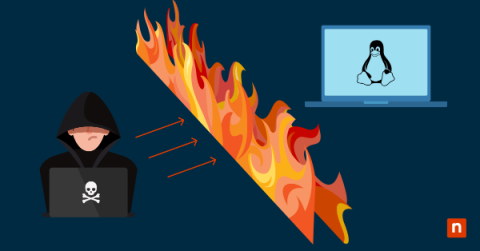
A firewall stands as a digital gatekeeper, meticulously sifting through network traffic and deciding what may pass. This protective shield, fundamental to cybersecurity, is integral in the Linux world. The Linux kernel itself is effectively a de facto packet switching firewall, crafted as it is around the principles of packet filtering at the most fundamental operating system level, thus exemplifying the pivotal role of firewalls in system security.
A few months ago we announced Status Pages – the most delightful way to keep customers up-to-date about ongoing incidents. We built them because we realized that there was a disconnect between what customers needed to know about incidents, and how easily accessible this information was. For example: As we built them, we focused on designing a solution that powered crystal-clear communication, without the overhead — all beautifully integrated into incident.io.
If you’re a front end developer, there’s a high probability you’ve built (or will build) an image-heavy page. And you’ll need to make it look great by serving high-quality image files. But you’ll also need to prioritize building a high-quality user experience by making sure your Core Web Vitals such as Cumulative Layout Shift and Largest Contentful Paint aren’t negatively affected, which also help with your search engine rankings.