Operations | Monitoring | ITSM | DevOps | Cloud

MSP Sales: Close the Deal Every Time

Try Googling “Ways to up your sales game” and you’ll find thousands of articles from experts touting claims that their MSP sales process is best—with no shortage of buzzwords to hook you in. But in both selling to, and selling with, MSPs over the years, I’ve found that chasing buzzwords and buying into the latest craze both dilutes and compromises an authentic experience with a prospective customer, and the worst part is the customer can feel it the moment it happens.
Mapping service vulnerabilities with Mend

Mend is an automated vulnerability scanning tool that helps teams detect and resolve issues quickly. Mend can discover outdated packages and tell you if you’re relying on tools with known issues. Then, through automated remediation, Mend creates pull requests for developers with specific guidance on resolving those issues. Mend conducts static code analysis as well as package and dependency management analysis to identify weaknesses.

What Is Blockchain? How Blockchain Technology Works to Make the Internet Safer

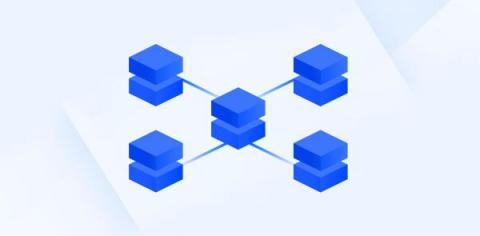
You may have heard the word “blockchain” floating around quite a lot recently. However, you may be unsure of what it actually means. However, with companies expected to spend $20 billion per annum on blockchain technical services by the end of 2024, it’s time we all got a bit more familiar with it. Below, we will explain what blockchain is and the technology behind it so you can get a better understanding.

The Quest For Sunken Treasure: Top-Down Vs. Bottom-Up Cloud Cost Allocation

High-quality cloud cost allocation has become an existential issue for businesses. In order to get as much out of their (mounting) cloud investments as possible, business leaders need to know how much they’re spending in the cloud, what/who they’re spending it on, and whether there’s a good reason for it. In its ideal form, cost allocation answers all these questions.

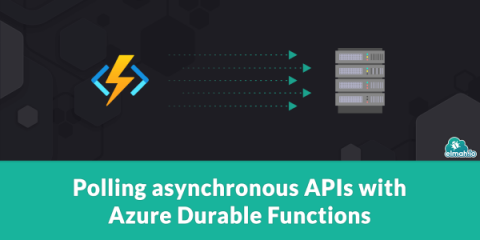
Polling asynchronous APIs with Azure Durable Functions

I have been building a feature on elmah.io lately that picks up validation results from an external API. Before serverless was a thing, I would probably have done this using a scheduled task or Windows Service using Hangfire or similar. But after having migrated everything to serverless Azure Functions, I wanted a good solution running similarly. Azure Durable Functions turned out as the perfect companion and in this post, I'll show you a possible way to implement polling of an asynchronous API.

The most dangerous computer viruses in history

Here, in our beloved Pandora FMS blog, we have talked a big deal about computer risks. This does not mean of course that we consider ourselves to be faint-hearted or timid, but rather cautious heroes. And in order not to be alone in a battle against the evil that lurks around, today, continuing with this theme of terror and digital desolation, we bring you: some of the most dangerous computer viruses in human history!

Prometheus vs. Zabbix

For a successful business, you need to introduce an effective monitoring system covering all areas of your business and infrastructure - servers, databases, services, overall traffic, and even revenue collected. The users of this monitoring system can be system administrators, software engineers, information engineers, as well as all sorts of analysts.

Time Series Forecasting with PyTorch and InfluxDB

Time series data (also known as time-stamped data) refers to a collection of observations (data points) measured over time. When plotted on a graph, one of the axes for this type of data will always be time. Because time is part of every observable entity, time series data can be used in all kinds of industries, like the stock market, weather data, logs, and traces.

Building an incident management process

In this podcast, our panellists discuss the foundations that any team needs to put in place when designing their incident management process. Starting from the basics of defining what we really mean by an incident, to how to set your severity levels, roles and statuses, Chris and Pete share their tips for building solid foundations to run your incidents.