Operations | Monitoring | ITSM | DevOps | Cloud

How to Block an External Attack with FortiGate and Flowmon ADS

It’s a question we hear often - how to use Flowmon to block an attack? Flowmon is not an inline appliance to stand in the path of inbound traffic, so we partner with 3rd party vendors who supply equipment like firewalls or unified security gateways. In this post, I’m going to show you how to instruct Fortinet’s firewall FortiGate via Flowmon ADS to block traffic in response to a detected anomaly or attack.
Runtime security in Azure Kubernetes Service

Runtime security for Azure Kubernetes Service (AKS) environments requires putting controls in place to detect unexpected and malicious behavior across your applications, infrastructure, and cloud environment. Runtime threats include things like: Even if you’re taking advantage of tools like container image vulnerability scanning, Kubernetes pod security policies, and Kubernetes network policies with AKS, not every risk will be addressed.

How the new time series panel brings major performance improvements and new visualization features to Grafana 7.4

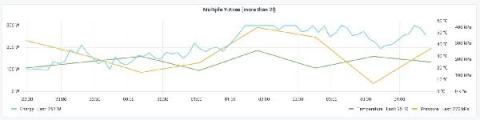
In Grafana 7.0, we introduced a new panel architecture to enhance the UX and visualization options and create a more consistent experience across Grafana. In Grafana 7.4, we expanded on that foundation and introduced the next-generation graph panel called Time series panel, which is currently in beta. The Time series panel uses the panel architecture of Grafana 7.0 and integrates with field options, overrides, and transformations.

Using Puppet to detect the SolarWinds Orion compromise

SolarWinds' widely-used Orion IT platform has been the subject of a supply-chain compromise by an unidentified threat actor. The attack was discovered in December 2020, but it appears to have begun in March 2020 when the attacker used trojan malware to open a backdoor on SolarWinds customers around the world.

Alloy Navigator mobile app expands with Change Management and Approvals

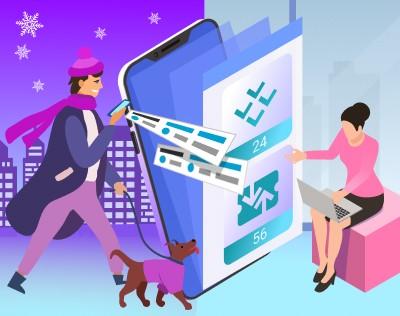
The phone app for mobile access to Alloy Navigator™ ITSM software keeps getting better and gains more features with every update. This time around, the mobile app takes on change management to help your team request infrastructure or process-related changes and take action on approval requests using phones or tablets.

Alloy Software Extends Mobile Offering with Change Management

Bloomfield, NJ – February 10th, 2021 — Alloy Software, a leading provider of IT Service Management and Asset Management solutions, announced today a new version of the Alloy Navigator app on Android and iPhone. The mobile app update is available now and includes several new features to support change management and approval workflows.

Observability vs. Monitoring - What's the Difference?

Some of the earliest memories of my career involve getting spammed by hundreds of emails from monitoring systems. After managing to find an issue, I’d scroll through endless logs trying to find obscure bugs that are impossible to recreate. I’m sure you’ve been there. I’ve spent many hours, days, and even weeks pressing “Page Down” on my keyboard trying to find a clue pointing me toward the root cause. I’m here to tell you: there’s a better way.

Initial Considerations for an ITSM Evaluation

The start of a new year brings the familiar sentiments of “New Year, New Me!” or in 2021’s case, “New Year, New Perspective.” Ushering in a new year provides an outlet for personal reflection but it’s also a time for organizations to review and establish their business objectives. As the new year kicks off, perhaps one of your organizational goals is to invest in a new IT Service Management (ITSM) solution.

Enterprise DevOps: 5 Keys to Success with DevOps at Scale

After getting a taste of DevOps’ benefits, enterprises naturally seek to widen its adoption. However, the tooling and processes that work for small-scale use cases often fall short when teams try to scale DevOps efforts. You must support all your different teams, toolsets, applications, processes, workflows, release cycles and pipelines — both legacy and cloud native.