Operations | Monitoring | ITSM | DevOps | Cloud

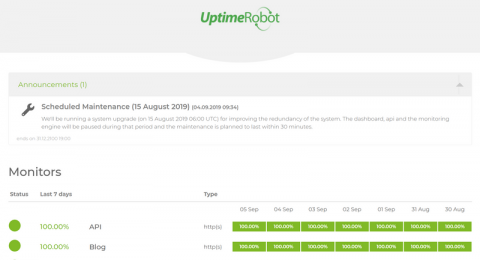
New Feature: Announcements for the Status Pages (Pro Plan)

A status page is a very easy-to-setup, nice and automated way to share the status of the websites/servers with visitors, users and teammates. And, the ability to share additional info with users like current issues or an upcoming maintenance can only make it better.
Prevent DNS (and other) spoofing with Calico

AquaSec’s Daniel Sagi recently authored a blog post about DNS spoofing in Kubernetes. TLDR is that if you use default networking in Kubernetes you might be vulnerable to ARP spoofing which can allow pods to spoof (impersonate) the IP addresses of other pods. Since so much traffic is dialed via domain names rather than IPs, spoofing DNS can allow you to redirect lots of traffic inside the cluster for nefarious purposes.

Make These Three Architectural Changes to Optimize Cloud Costs

Cloud costs can come with significant sticker shock, especially since many businesses do not have an easy way to track or predict actual cost before the bill arrives. However, there are several architectural changes that businesses can make that will help rein in cloud spend. In some cases, optimal engineering decisions should be made up-front, while in other cases certain areas should be monitored over time to identify opportunities to retool architecture and optimize cloud costs.

Notes from Observability Roundtables: Capabilities Deep-dive

Greetings, fellow o11ynaut! You may recall a post we shared here about two months ago that told tales of the themes we felt best represented our recent release of the Framework for an Obsersvability Maturity Model. Well, the o11y maturity model was once again the primary topic and focus of Honeycomb’s most recent Observability Roundtable event held in San Francisco in mid August.

4 Common Causes of Cart Abandonment - and How to Solve Them

It’s a sad story that has become so common, that it just kind of blends into the background — like that awful elevator jazz that some coffee shops play (Thelonious Monk would NOT approve), or economy class in-flight meals (there’s less sodium on a salt lick, and you don’t get rammed in the ankle by a cabin trolley). Alas, we’re talking about the cart abandonment epidemic. And epidemic is indeed the right word, because this problem is not local or limited.

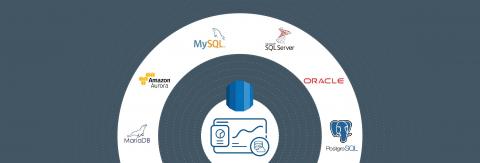
Amazon RDS + OpsRamp: Dynamic Monitoring and Proactive Issue Identification for Optimal Database Performance

Analyst firm Gartner recently predicted that “75% of all databases will be deployed or migrated to a cloud platform by 2022, with only 5% ever considered for repatriation to on-premises.” Enterprise architects are deploying analytics, artificial intelligence, and machine learning workloads on cloud database platforms for greater scalability and lower operational overhead.

Monitor system access and unusual activity with Okta logs and Datadog

Okta is a cloud-based identity management service that provides authentication and authorization tools for your organizations’ employees and users. You can use Okta to incorporate single sign-on, multi-factor authentication, and user management services right into your applications.

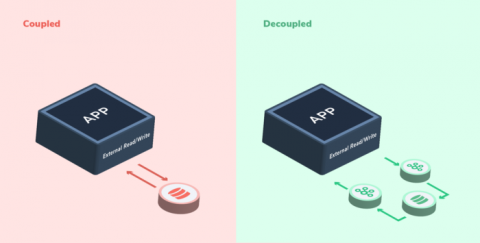
Avoiding death by external side effects - a tale of Kafka Streams

At Coralogix, we strive to ensure that our customers get a stable, real-time service at scale. As part of this commitment, we are constantly improving our data ingestion pipeline resiliency and performance. Coralogix ingests messages at extremely high rates — up to tens of billions of messages per day. Every one of these records needs to go through our entire pipeline at near real-time rates: validation, parsing, classification, and ingestion to Elasticsearch.

Creating the Perfect Grafana Dashboard

For a lot of DevOps engineers and SREs, a Grafana dashboard is often the beginning of a troubleshooting procedure. It might be an alert in Slack or a colleague pointing out anomalous system behavior. Or maybe it’s just part of your day-to-day monitoring workflow. Whatever the reason, staring at a beautiful Grafana dashboard is the starting point of what can be either a long and excruciating process, or a short and efficient one.

Coffee break: monitoring your VMware vSphere

Most of us SCOM users have our servers and infrastructure pieces monitored – but more often than not, the hypervisor remains a big black box where there is no level of monitoring whatsoever. Any kind of outages that come from that lack of monitoring blindside our administrators, and people eventually grow to lose confidence in the platform itself.