The latest News and Information on Monitoring for Websites, Applications, APIs, Infrastructure, and other technologies.
With the recent release of Grafana 6.3 substantial refactoring and improvements to plugins, external auth systems, and permissions have been introduced in Grafana Enterprise. Let’s take a look at some of the latest Enterprise features here.
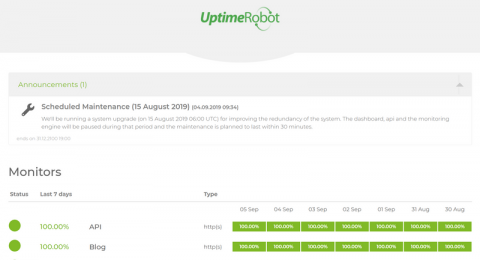
A status page is a very easy-to-setup, nice and automated way to share the status of the websites/servers with visitors, users and teammates. And, the ability to share additional info with users like current issues or an upcoming maintenance can only make it better.
Greetings, fellow o11ynaut! You may recall a post we shared here about two months ago that told tales of the themes we felt best represented our recent release of the Framework for an Obsersvability Maturity Model. Well, the o11y maturity model was once again the primary topic and focus of Honeycomb’s most recent Observability Roundtable event held in San Francisco in mid August.
It’s a sad story that has become so common, that it just kind of blends into the background — like that awful elevator jazz that some coffee shops play (Thelonious Monk would NOT approve), or economy class in-flight meals (there’s less sodium on a salt lick, and you don’t get rammed in the ankle by a cabin trolley). Alas, we’re talking about the cart abandonment epidemic. And epidemic is indeed the right word, because this problem is not local or limited.
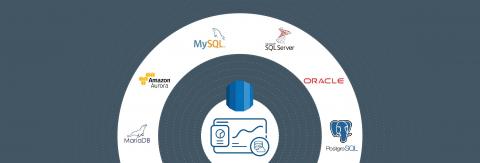
Analyst firm Gartner recently predicted that “75% of all databases will be deployed or migrated to a cloud platform by 2022, with only 5% ever considered for repatriation to on-premises.” Enterprise architects are deploying analytics, artificial intelligence, and machine learning workloads on cloud database platforms for greater scalability and lower operational overhead.
Okta is a cloud-based identity management service that provides authentication and authorization tools for your organizations’ employees and users. You can use Okta to incorporate single sign-on, multi-factor authentication, and user management services right into your applications.
Most of us SCOM users have our servers and infrastructure pieces monitored – but more often than not, the hypervisor remains a big black box where there is no level of monitoring whatsoever. Any kind of outages that come from that lack of monitoring blindside our administrators, and people eventually grow to lose confidence in the platform itself.