In this article, learn how to setup application monitoring for Node.js apps with our open-source solution, SigNoz. Node.js tops the list of most widely used frameworks by developers. Powered by Google's V8 javascript engine, its performance is incredible. Ryan Dahl, the creator of Node.js, wanted to create real-time websites with push capability. On Nov 8, 2009, Node.js was first demonstrated by Dahl at the inaugural European JSconf.
Ubuntu is a Linux distribution based on Debian Linux that’s mostly composed of open-source and free software. Released in three options – servers, desktop computers and Internet of Things devices. Ubuntu is highly popular, reliable and updated every 6 months, with a long-term support version released every two years. Multiple Ubuntu versions allow users to choose whether to stick with the long-term support version or the recently updated one.
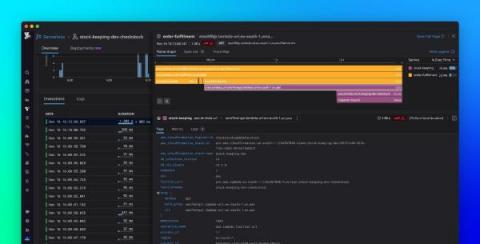
AWS Lambda Function URLs make it even easier to create AWS Lambda functions that can be accessed and triggered by using HTTP/S requests, which is key for building serverless applications that are connected to and invoked from the web. Now you can generate a URL in one click that points to a specified Lambda function. Then, any HTTP/S request that a Function URL receives will trigger the Lambda function it’s assigned to.
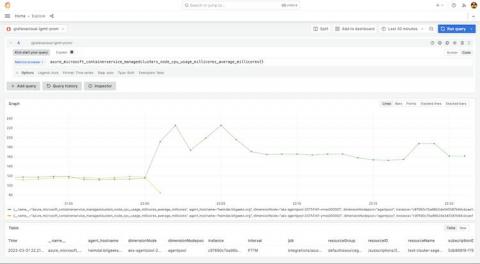
As more organizations adopt cloud-based services like Microsoft Azure Kubernetes Service (AKS), it becomes increasingly important to monitor and manage the performance and reliability of these services. If you’re using AKS today, then Grafana Cloud provides the flexibility, performance, and visualizations you need to monitor your distributed applications.
Why do we want to eliminate trust? Isn’t trust a good thing that we should foster and grow? And shouldn’t computing platforms trust their end-users, and vice versa? The short answer is no. And I would argue that the very goal of system security has always been to reduce trust.