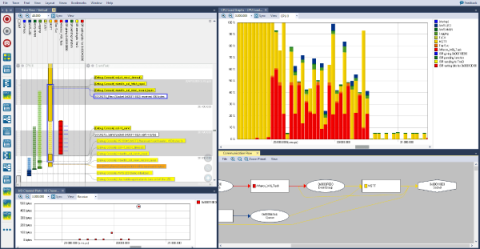
DX Unified Infrastructure Management 23.4 (DX UIM 23.4) is now available. DX UIM 23.4 is the latest version of our cornerstone, full-stack infrastructure observability solution for hybrid cloud and traditional data center environments. DX UIM is a key component of AIOps by Broadcom, a suite of solutions that leverage best-of-breed domain monitoring tools and advanced analytics to deliver actionable insights and enable intelligent automation across the IT operations stack.
Amazon EC2 was one of the first services available on AWS, helping propel the cloud platform into the mainstream of IT. And while EC2 instances come in a wide range of sizes and flavors to address all sorts of use cases, keeping tabs on those instances isn’t always easy. That’s why we’re excited to introduce our new EC2 monitoring solution in Grafana Cloud.
The OpenTelemetry Collector is a core part of telemetry pipelines, which makes it one of the parts of your infrastructure that must be as secure as possible. The general advice from the OpenTelemetry teams is to build a custom Collector executable instead of using the supplied ones when you’re using it in a production scenario. However, that isn’t an easy task, and that prompted me to build something.
Let’s cut right to it. Read on to learn about all the product updates from our oddly productive December. From new tools to help with debugging while in development to new performance issues, we shipped a handful of new capabilities for every developer.
Since enabling browser profiling on our Sentry.io dashboard a month ago, we have collected over 2M profiles and learned a lot about how our users experience our dashboard. The profiles collected gave us insight into how our dashboard performs in production and surfaced some issues causing UI jank. In this post, we will look at an example of an issue we discovered using Profiling.
Computer vision: digital understanding of the physical world From face recognition to fire prevention, autonomous cars to medical diagnosis, the promise of video analytics has enticed technology innovators for years. Video analytics, the processing and analysing of visual data through machine learning and artificial intelligence, is perceived as a significant opportunity for edge computing.
This is the third and final blog post in a series about shifting Observability left. If you have not yet read the first two, you can find the first post here and the second post here. Observability is fundamental to modern software development, enabling developers to gain deep insights into their application’s behavior and performance.
In the ever-evolving landscape of software development and IT operations, monitoring tools play a pivotal role in ensuring the performance, reliability, and availability of your applications. Two key disciplines in this domain are observability and Application Performance Management (APM). This post will help you understand the nuances between observability and APM, exploring their unique characteristics, similarities, benefits and differences.
Moving to Teams Phone as your primary voice system can save money and provide a great user experience, or it can “crash and burn”. In a two-part workshop, I had the opportunity to explore insights to help migrate successfully to Teams Phone with Greg Zweig of Ribbon. (Ribbon was kind enough to sponsor both workshop sessions.) This article summarizes the information we covered in the workshop.