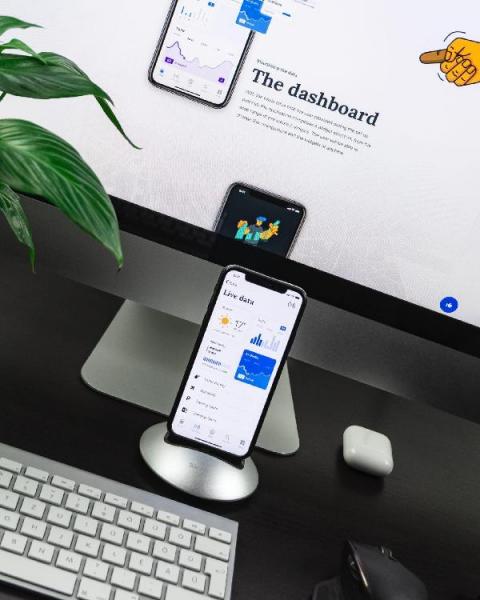
More than 52% of organizations now offer their employees, contractors and frontline workers the ability to work securely from any endpoint of their choice. This modern workplace includes diverse endpoints such as iOS, macOS, Android, Windows 10 devices, as well as other immersive and rugged devices such as HoloLens, Oculus, Zebra and more - and IT teams need a scalable solution to secure and manage them.
In one of our recent webinars we discussed a challenge in digital transformation that is top of mind for many IT Ops leaders: how to actually transform with the least amount of pain… No matter how tired people are of the term “digital transformation”, it still represents an imperative strategy for enterprises wishing to survive in today’s dynamic business environment, let alone see growth and increased market value.
Running systems in production involves requirements for high availability, resilience and recovery from failure. When running cloud native applications this becomes even more critical, as the base assumption in such environments is that compute nodes will suffer outages, Kubernetes nodes will go down and microservices instances are likely to fail, yet the service is expected to remain up and running.
Don’t stop thinking about tomorrow: For enterprise IT leaders everywhere, it’s no longer enough to lead well today and have teeth in the business. You must now be prepared for all manner and scope of uncertainty and change, and according to Accenture, very few organizations are there yet. In a recent report, the consultancy reports that only 7% of organizations are “future-ready”.
With the Defense Department’s quick and successful pivot to a remote workforce last Spring via its Commercial Virtual Remote (CVR) environment, it proved that the future to fully operate from anywhere in the world is now. Gone are the days of thousands of civilian employees heading into the Pentagon or other installations everyday. However, with this new disparate workforce comes increased risks for network security. As my colleague Bill Wright expertly noted last Summer.
I’ve always had a good experience using DigitalOcean, a cloud infrastructure provider which offers developers cloud services that help deploy and scale applications that run simultaneously on multiple computers. I’ve used DigitalOcean a lot for my personal projects — for example, to host my personal blog, its stats, and a NextCloud instance, all running in Kubernetes.
At first glance, AltaGas Ltd. and Align Technology don’t have much in common. AltaGas Ltd. is a North American energy infrastructure business with a focus on owning and operating assets to provide clean and affordable energy to its customers. Align Technology is a leading manufacturer of 3D digital scanners and clear aligners used in orthodontics. However, the two companies share similar stories when it comes to the technology they use to manage governance, risk, and compliance (GRC) issues.