Operations | Monitoring | ITSM | DevOps | Cloud

What's All the Fuss About Business Continuity Planning

Digital transformation has created more gateways for vulnerability and risk. So in addition to natural disasters that can impact a business, organizations are faced with cyberattacks that can truly cripple their business. A solid business continuity plan makes sure that your company is ready for whatever may come its way, be it fire, flood, critical technical failure, or a cyberattack.

StatusCast Updates Status Page Service

StatusCast is always working to improve how IT Managers and Helpdesk Teams keep users apprised of system statuses during incidents and scheduled downtime. As a leading provider of corporate and SaaS status pages, we interview users and managers to better understand the status page landscape and use that information to constantly improve our corporate status board service.

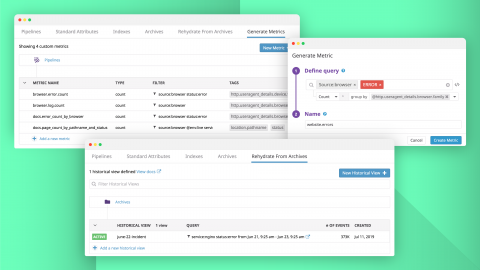
Introducing Metrics from Logs and Log Rehydration

As your application grows in size and complexity, it becomes increasingly difficult to manage the number of logs it generates and the cost of ingesting, processing, and analyzing them. Organizations often have little control over fluctuations in the volume of logs generated—and the resulting costs of collecting them—so they are forced to limit the number of logs generated by their applications, or to pre-filter logs before sending them to their log management platform.

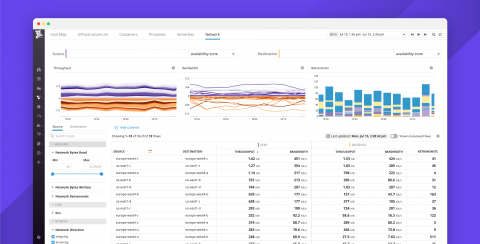
Introducing Datadog Network Performance Monitoring

Network Performance Monitoring is currently available in private beta. Request access here. Your applications and infrastructure components rely on one another in an increasingly complex fabric, regardless of whether you run a monolithic application or microservices, and whether you deploy to cloud infrastructure, private data centers, or both.

Dash 2019: Guide to Datadog's newest announcements

At Dash 2019, we are excited to share a number of new products and features on the Datadog platform. With the addition of Network Performance Monitoring, Real User Monitoring, support for collecting browser logs, and single-pane-of-glass visibility for serverless environments, Datadog now provides even broader coverage of the modern application stack, from frontend to backend.

What Is User Activity Monitoring?

User Activity Monitoring (UAM) tracks the behavior of internal end-users—employees, subcontractors, partners, and so on—on a company’s networks, devices, and other IT resources. UAM, sometimes also called employee monitoring, may be deployed for a number of reasons, such as providing insight into the productivity of both individual employees and the company as a whole. Is Employee X spending too much time browsing the internet for non-business purposes during work time?

How We Migrated To Turbolinks Without Breaking Javascript

It's 2019, so we decided it was time to take a more modern approach to the Honeybadger front end. We implemented Turbolinks! This is only the first step on an ambitious roadmap. In 2025 we plan to migrate to Angular 1, and we'll finish out the decade on React unless we run into any roadblocks! But let's get real. Honeybadger isn't a single page app, and it probably won't ever be. SPAs just don't make sense for our technical requirements.

OpManager bags gold-listed in Feedspot's top networking blogs and sites to follow in 2019

Great news! The OpManager blog has ranked #15 in Feedspot’s top 100 networking blogs and websites to follow. This is a particularly big deal for ManageEngine as we focus on creating valuable content for IT admins, and to be recognized for that confirms we’re headed in the right direction.

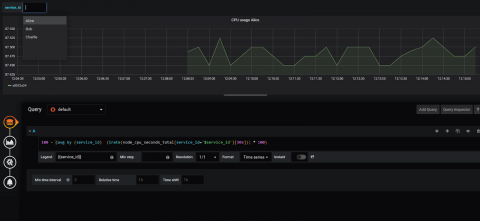
Ask Us Anything: How to Alias Dashboard Variables in Grafana in SQL

Recently a question came up from a customer, and I was surprised we didn’t have an easy answer for it: How can you translate some esoteric ID or serial number, such as fe03-s3-x883, into a user-friendly name such as “harry” or “alice”? In a regular templating language, it would be easy to do via a map file or similar, but to do this with Grafana is a little more complicated.

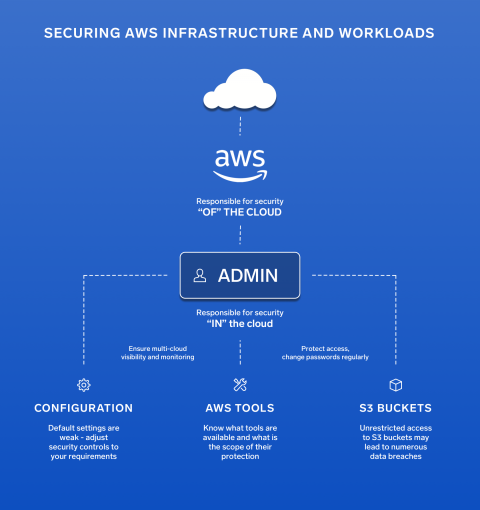
Why you need to secure your AWS infrastructure and workloads?

Enterprises are increasingly adopting a cloud-first approach and migrating their workloads, data and applications to the Cloud. Amazon Web Services continues to lead the Public Cloud industry with more than 30% of the market. As digital transformation progresses and the digital space expands, so does the attack surface that exposes the ongoing proliferation of security risks. In today’s cloud-first world, security remains the primary concern.