The always-on, always-available expectations of digital services have increased the requirements of technical teams to be ready and provide response around the clock. For teams new to this concept, introducing on-call can be stressful and complex. As part of PagerDuty’s main platform, on-call management is key to our business, but the non-technical aspects are also important for teams to consider.
We are pleased to announce the general availability (GA) of Elastic 7.11. This release brings a broad set of new capabilities to our Elastic Enterprise Search, Observability, and Security solutions, which are built into the Elastic Stack — Elasticsearch and Kibana. This release enables customers to optimize for cost, performance, insight, and flexibility with the general availability of searchable snapshots and the beta of schema on read.
We are thrilled to announce the general availability of alerting in the Elastic Stack with the release of 7.11. With deep integrations throughout our products and solutions, a laser focus on distinguishing signal from noise, and tie-ins to the third-party platforms you depend on like email, PagerDuty, ServiceNow, and Microsoft Teams, building, using, and acting on alerts in Elastic has never been more powerful.
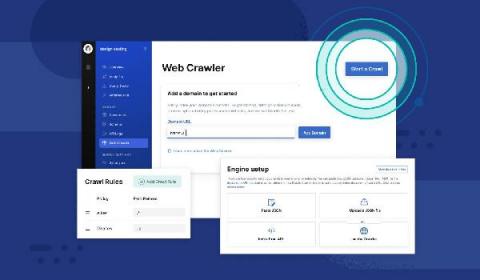
In Elastic Enterprise Search 7.11, we’re thrilled to announce the beta launch of Elastic App Search web crawler, a simple yet powerful way to ingest publicly available web content so it becomes instantly searchable on your website. Making content on these websites searchable can take several forms. Elastic App Search already lets users ingest content via JSON uploading, JSON pasting, and through API endpoints.
Historically, Elasticsearch has relied on a schema on write approach to make searching data fast. We are now adding schema on read capabilities to Elasticsearch so that users have the flexibility to alter a document's schema after ingest and also generate fields that exist only as part of the search query. Together, schema on read and schema on write provides users with the choice to balance performance and flexibility based on their needs.
In 7.11, we’re excited to announce support for schema on read in the Elastic Stack. We now offer the best of both worlds on a single platform — the performance and scale of the existing schema on write mechanism that our users love and depend on, coupled with a new level of flexibility for defining and executing queries with schema on read. We call our implementation of schema on read runtime fields.
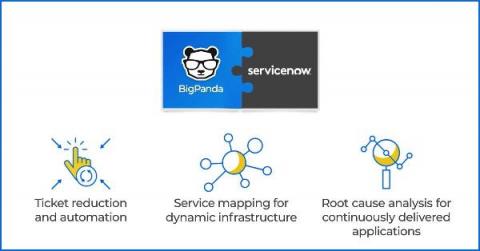
Does the following sound familiar? You have a complex, hybrid and dynamic IT stack – with your cloud infrastructure changing by the minute and your container infrastructure changing by the second. Your monitoring and observability tools provide excellent visibility into your infrastructure, your applications and your services, but the dynamic environment in which they operate causes them to generate large volumes of heterogeneous machine data, with thousands of alerts a minute.