Operations | Monitoring | ITSM | DevOps | Cloud

JFrog & Splunk - Observability for your IT Value Stream

As software is the product in many of today's businesses, the need to manage the value stream from development to production is critical to ensure consistency of information, compliance and supply chain collaboration.In order to consistently deliver high velocity and quality of applications, engineering teams require visibility into how code is moving from dev to prod in a stable and efficient manner. Just as Observability is changing the way teams managing their applications in production, the concepts of observability apply to the entire software value stream.

The concise guide to labels in Loki

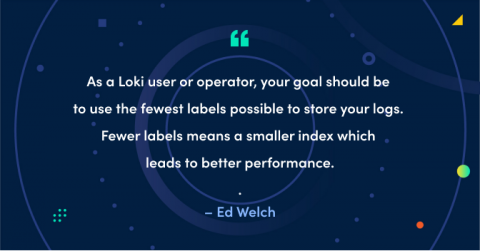
A few months ago, I wrote an in-depth article describing how labels work in Loki. Here, I’m consolidating that information into a more digestible “cheat sheet.” There are some big differences in how Loki works compared to other logging systems which require a different way of thinking. This is my attempt to convey those differences as well as map out our thought process behind them. As a Loki user or operator, your goal should be to use the fewest labels possible to store your logs.

Continuous Improvement in Native

If Sentry were a TV show, I think it would be Lassie. It’s your application’s best friend and everyone can understand it no matter what language they speak. Sentry gets help from the right people to make sure Timmy, I mean your application, is safe and sound. Over the past few months, we improved our Native SDK significantly. Most notably, we increased platform compatibility through a major rewrite from C++ to C and by switching to the CMake build system.

Extended retention for custom and Prometheus metrics in Cloud Monitoring

Metrics help you understand how your business and applications are performing. Longer metric retention enables quarter-over-quarter or year-over-year analysis and reporting, forecasting seasonal trends, retention for compliance, and much more. We recently announced the general availability (GA) of extended metric retention for custom and Prometheus metrics in Cloud Monitoring, increasing retention from 6 weeks to 24 months. Extended retention for custom and Prometheus metrics is enabled by default.

Azure MP part 2: Configuring monitoring

This is part two of our journey towards monitoring Azure resources with SCOM, using the Azure Management pack. In Part 1: Installation, we finished installing the Management Pack and managed to connect one of our subscriptions where the resources we want to monitor are. Now, let’s move on to configuring the monitoring for actual resources or services.

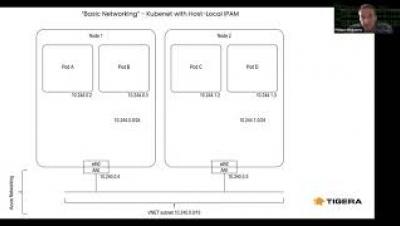
Visibility and Troubleshooting Modern Applications with Calico Enterprise and OpenShift

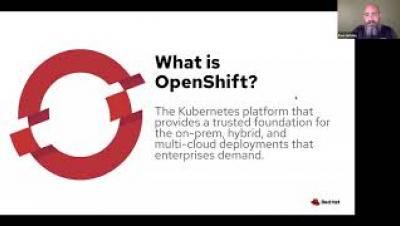
Red Hat OpenShift is a great platform for hosting microservices, enabling developers to get up and running quickly. However, taking the next step from development to production imposes additional networking, security, and compliance requirements that must be addressed before Kubernetes apps can be widely deployed. Traditional networking tools, which were designed for relatively static IP environments, don’t have the context necessary to identify Kubernetes traffic flows, making it nearly impossible to effectively diagnose, troubleshoot, and resolve application connectivity issues.