Operations | Monitoring | ITSM | DevOps | Cloud


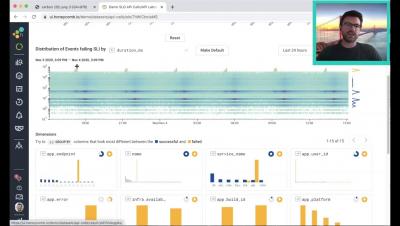
Honeycomb Product Demo

The importance of end-user experience monitoring for the success of digital businesses

honeybadger.js is now universal
Some devs use JavaScript in the browser; some use JavaScript on the server. What if you do both?
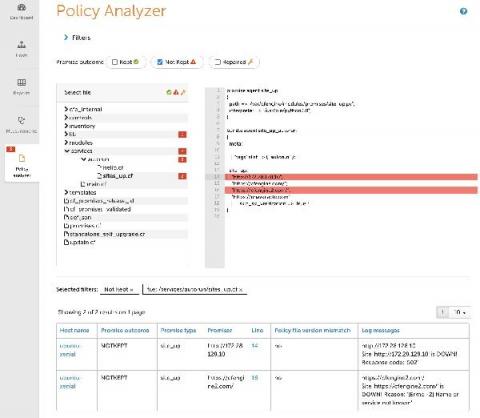
Custom promise outcomes in Mission Portal
CFEngine 3.17.0 introduced custom promise types, which enable CFEngine users to extend core functionality and policy language in a simple way. As an example of the power and simplicity of this new feature, I will show a promise type that helps to observe a website’s status. The module which implements this promise type was written in a couple of hours.
Set up a CI/CD Pipeline with Cloud-Native Tools
The adoption of cloud-based solutions has become increasingly common. The proof for this is evident – according to Gartner, Inc., the worldwide public cloud services market is expected to grow by 6.3% in 2020, up to a staggering $257.9 billion in value. The Flexera 2020 State of the Cloud Report, released on April 28, 2020, states that more than 90% of respondents have adopted cloud computing, with the top three cloud service providers being – AWS, Azure, and Google Cloud Platform.
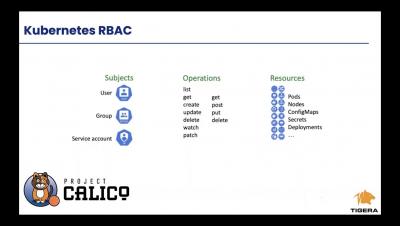
Enterprise Security Controls for Kubernetes
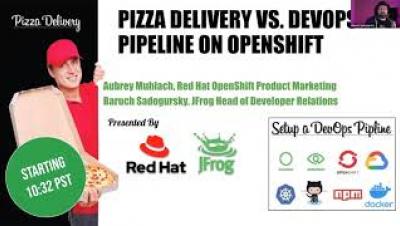
JFrog & RedHat - Pizza Delivery vs. DevOps Pipeline On OpenShift


Feature spotlight: Auto Diff - New code vs Prod
When making changes to applications these days, it’s hard to understand and predict the impact of those changes before you deploy. API connections are multiplying, and with new cloud platforms such as containers/serverless, it only add to the complexity. Some people have trouble remembering whether they closed the garage door or turned off the coffee maker. Can you remember all the details of your latest API contract change? Let alone who would be impacted and needed to be notified?