How to Create a Graph Using Tags and Time Aggregation | Datadog Tips & Tricks
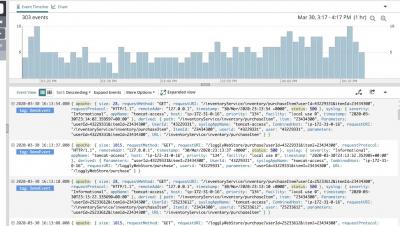
In this video, you’ll learn how to use tag-based grouping and time aggregation (with the rollup function) to create actionable time-series graphs. Datadog offers various ways to manipulate your metric graphs so that you can create graphs that are specific and actionable for all of your use cases. Two methods of doing this—as explored in this video—are tag-based grouping and time aggregation.