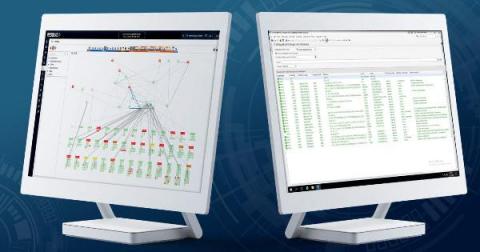
In our last release of the PowerShell security series, we talked about how PowerShell could be leveraged by malicious actors to gain unprecedented access to your organization’s critical assets. From enumerating sensitive domain information and carrying out credential-based attacks to running malicious executables in memory (file-less malware), we shined a light on the potential of PowerShell and why it’s an ideal weapon for cyber attackers today.
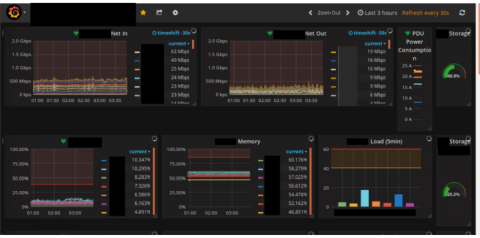
Stefano Mitchell is a customer support engineer at SkySilk Cloud Services. It’s no secret that there is a correlation between a team having quick access to metrics and swift resolutions. Accurate monitoring metrics displayed in a clear and efficient manner help your teams respond to alerts and issues as they arise in real time. SkySilk Cloud Services, a cloud services provider, uses Grafana dashboards internally to maintain a strong overview of regional system health.
Here at Sentry, we use Travis CI, a continuous integration tool for GitHub that lets us automate our tests and view the results right within each pull request. In this blog post, we’ll walk through a quick example of how to automatically create Sentry Releases with Travis CI when a commit is pushed to your project’s master branch. (Sentry Releases enable some of our best features, like identifying the commits that likely introduced new errors, and much more!)
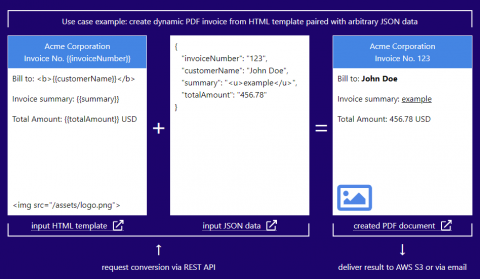
We are releasing our HTML to PDF REST API to public preview: https://html2pdf.appbeat.io/ We are using this tool internally for generation of various PDF documents. It uses Chrome engine for HTML rendering and creates really nice looking documents. It supports synchronous and asynchronous operation where you can be notified about PDF conversion result via webhook.
Managing IT infrastructure today can feel like a game of Tetris. Operations staff are constantly managing the addition of new pieces, trying to quickly determine how to best position them while the clock is ticking before the next round drops. Ultimately, decisions made early on impact what comes later and vice versa.
When an outage hits your service, everybody starts talking. Your engineers are talking about what caused the problem, and how to fix it; your management is asking about when it’ll be fixed; and your customers are telling the world that they’re not happy. But there’s an even more important conversation you should be having: communicating with your users about the issue.