LDAP Monitoring
In this video we will learn how to monitor LDAP in our environment in a very simple way.


If your experience as a developer is anything like mine, the best moments are those known as the "flow state.” When distractions drift into the background and all your energy is going in the creative direction of solving the problem at hand. Your brain is directly connected to your users through your code. Months of progress happen in hours. Unfortunately, those moments are rare. But it’s not emails or Slack messages that are the biggest distractions.
Imagine you’ve been working on a new feature for weeks. Finally—after exhaustive QA and testing, and more late coding sessions than you care to count—you release with a feeling of both accomplishment and relief. Only to be woken up at 3am that something’s wrong. Or worse, you get flooded with customer complaints that it’s not working properly. Well, it’s probably a scenario you don’t need to imagine. Every developer has a version of this story to tell.
Error logs are the first port of call for any outage. Great error logs provide context and cause to a mysterious, 3am outage. Engineers often treat error logs as an afterthought. However, with some up front planning, error logs can become incredibly powerful. Let’s get right into it.
If you’re like me and have been watching the odd purchasing trends due to the pandemic, you probably remember when all the hair clippers were sold out — and then flour and yeast. Most recently, you might have seen this headline: Tupperware profits and shares soar as more people are eating at home during the pandemic. Tupperware is finally having its day. But a Tupperware stacking strategy is probably not why you’re here.
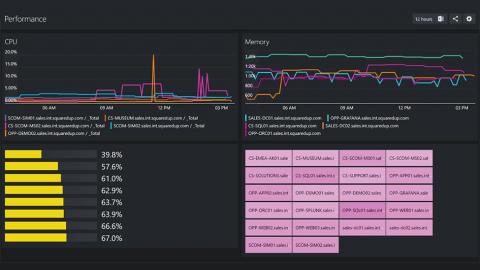
As a SCOM admin, you’re probably heavily involved with alert analysis and performance monitoring. You probably also know then, that while SCOM is a great monitoring tool, it leaves a lot to be desired when it comes to reporting on performance monitoring. I’ve got good news for you. SquaredUp sits on top of SCOM and completely changes the game. How? Why? Read on for a comparison and break down of all the reasons you should do it with SquaredUp.