Operations | Monitoring | ITSM | DevOps | Cloud

Missing indexes in PostgreSQL? How to quickly identify it

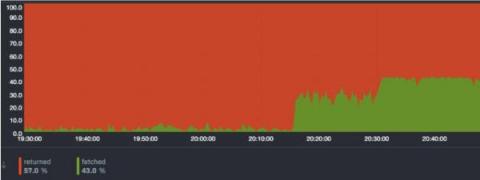
While working on improving the Netdata PostgreSQL collector, we were monitoring our production PostgreSQL instance and something caught our attention immediately. The rows fetched ratio seemed really, really low for one particular database… there were missing indexes in PostgreSQL! Rows fetched ratio is the percentage of rows that contain data needed to execute the query (rows fetched), out of the total number of rows scanned (rows returned).
BindPlane OP Enterprise Beta Announcement

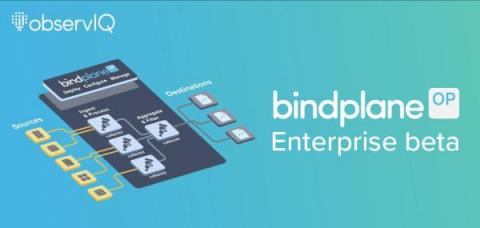
Since introducing BindPlane OP earlier this year, we’ve received a lot of feedback asking for the enterprise features you require to deploy in production. With functionality like SSO, RBAC, and Audit reporting all surfacing to the top of that list. Today we’re launching BindPlane OP Enterprise in beta, which introduces support for LDAP and AD authentication. We’d love for you to try it out and let us know what you think.

Kubernetes ErrImagePull and ImagePullBackOff in detail

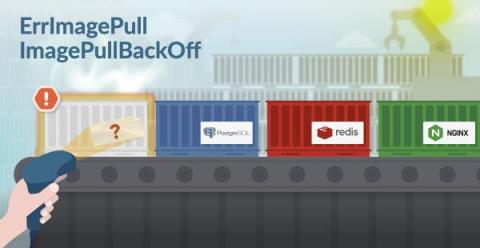
Pod statuses like ImagePullBackOff or ErrImagePull are common when working with containers. ErrImagePull is an error happening when the image specified for a container can’t be retrieved or pulled. ImagePullBackOff is the waiting grace period while the image pull is fixed. In this article, we will take a look at.

StatusGator vs IsDown: The Best IsDown Alternative

StatusGator and IsDown are two products that provide status page aggregation and vendor status monitoring. At a first glance, these two products look the same but they are quite different in reality. StatusGator was launched in 2015, and has been aggregating status data for more than 7 years. IsDown is a newer alternative that is similar but lacks many key features that StatusGator has. To make the best choice, we will closely examine the differences between the two.

How merchants can protect revenue with AI-powered payment monitoring

Smooth payment operations are critical for every merchant’s success. At its most basic level, a seamless and reliable payment process is the key to assuring transaction completion, which is at the very core of a merchant’s financial strength. However, when payment data systems fail to deliver insights about issues regarding approvals, checkouts, fees or fraud, the result is revenue loss and sometimes customer churn.

Basics of Retrace APM

Retrace is an an award-winning, easy-to-use SaaS application monitoring solution, combining APM reporting with Error and Log management in a centralized location. The main APM component of Retrace provides code-level application performance visibility for 6 of the most popular programming languages, .Net, Java, PHP, Python, Ruby and Node.js. Retrace APM metrics give users insight into the amount of requests that are being made to an application’s endpoints and how those requests perform.

Beating the odds: How log data helps detect and lower MTTR

Depending on your business, MTTR stands for mean time to repair or mean time to recovery – but it can also mean resolution, resolve, or restore. No matter how you define it, the basic measurement is the same: it’s the time it takes from when something goes down to when it is back and fully functional. This includes everything from finding the problem to fixing it. For ITOps teams, keeping MTTR to an absolute minimum is crucial.

Will Automation Replace the IT Workforce?

Whether you work in Manufacturing, Tech, or Retail, you’ve likely considered the impact of automation in your industry. The rapid digital transformation brought on by the COVID-19 pandemic forced many leaders to face this concern head-on. But for IT, there is no cause for alarm. Automation is not designed to replace the workforce; it is designed to be ITs greatest asset.

Atlassian DevOps Talks Fireside Chat with the CICD industry

Atlassian Open DevOps presents DevOps Talks. Join continuous integration continuous deployment (CICD) experts from Bitbucket Pipelines, CircleCI, Harness, and Octopus Deploy as they share lessons from implementing pipelines for development teams of all topologies, sizes, and industries. In this 45-minute webinar, you’ll learn.