#AskSleuth Simple, Why Redis?
Redis is a powerful piece of software; however, it's very specific. Have a quick view about when and how to use Redis. On this episode of #ASKSLEUTH, Don Brown from Sleuth.io answers your questions.


You probably can’t believe I’m asking that question. It’s like showing up to a party and immediately asking about the afterparty. Is it really time to look for the exit? No…but yes. We used to deploy apps on systems in data centers. Then we moved the systems to the cloud. Then we moved the apps to containers. Then we wrapped it all in Kubernetes for orchestration, and here we are. Each advance in technology unlocks doors we couldn’t reach before.
Large portions of software development budgets are dedicated for testing code. A new component may take weeks to thoroughly test, and even then mistakes happen. If you consider software defects as security issues then the concern goes well beyond an application temporarily crashing. Although even minor bugs can cost companies a lot of time to locate the bug, resolve it, retest it in lower environments, then deploy it back to production.
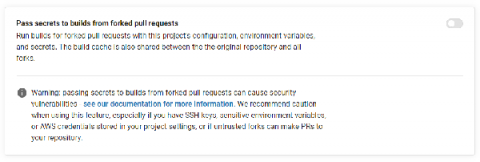
In our previous post, we discussed the recent security incident at Codecov and the following investigation at Mattermost. As a follow-up to that we wanted to share some of the basic design principles as well as a handful of more technical tips and tricks around CI/CD pipeline security that helped Mattermost come out of the incident unscathed.
The Domain Name System (DNS) is at the core of the engine that keeps the internet running. We have explained how DNS works and why it is critical to the functioning of the internet in our Synthetic Monitoring Guide. The DNS resolution relies on various components, such as the DNS resolvers, name servers, authoritative servers, and zone files, to function properly and the process typically takes milliseconds to complete.