Your status page (or lack thereof) has the opportunity to signal a lot about your brand — how transparent you are, how quickly you respond to incidents, how you communicate with your customers — and ultimately, this all seriously impacts your reliability. After all, as our CEO Robert put it in a recent interview on the SRE Path podcast, you don’t get to decide your reliability; your customers do.
Containers are nearly ubiquitous in software these days. Outside of abstractions like fully managed services (RDS, Dynamo, Cloud SQL), everything engineering teams are responsible for, mostly, land in containers. For many, deciding what platform to run those containers on is a burning question. Choosing the wrong container management solution can be a real headache.
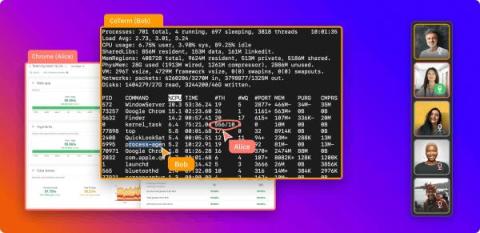
For too long, engineers have had to piece together an unwieldy combination of tools to collaboratively debug and resolve incidents while pair programming in real time. These activities normally require developers to work individually through a terminal, but the patchwork solutions that allow teams to work together in terminals all have significant drawbacks.