Welcome to The DEX Show London
We are welcoming Sally Winston from Qualtrics to The DEX Show for a very special in-person recording of the podcast for IT change makers.


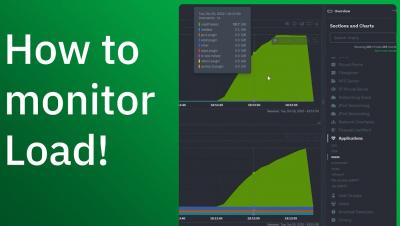
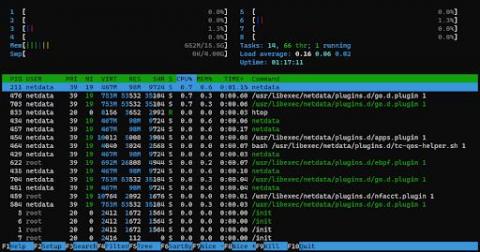
We often hear the term load used to describe the state of a server or a device, but we're here to tell you what it means, precisely, and how to monitor it.
For quite a long time now, Visual Studio Code has been one of the leading IDEs in the developer market. This is no doubt as the IDE is streamlined and made to support a lot of out-of-the-box tools. The IDE has come a long way, and it doesn’t seem to be slowing down any time soon. One major reason why VS Code is preferred by many is the ability of the developer to install tools that could help better their work in terms of productivity, better-looking code, and even collaboration.
When you design architecture to monitor your digital assets - either software applications or hardware devices, you need to use different strategies depending on your monitoring target. The factors you want to consider can vary including methods of retrieving monitoring data, frequency of data collection, and how you want to surface metrics and insight you find to stakeholders. In this article, we will mainly discuss how we can monitor your network SNMP devices using Hosted Graphite.
Container runner, a new container-friendly self-hosted runner, is now available for all CircleCI users. Self-hosted runners are a popular solution for customers with unique compute or security requirements. Container runner reduces the barrier to entry for using self-hosted runners within a containerized environment and makes it easier for central DevOps teams to manage running containerized CI/CD jobs behind a firewall at scale.