Google Cloud Next '22 Opening Keynote
Google Cloud CEO Thomas Kurian shares insights on how businesses are using cloud technology to build for the future and adapt to complexities, challenges, and opportunities.


I am thrilled to share with you that Honeycomb now has a Field CTO: our very own Liz Fong-Jones. When Liz joined us, nearly four years ago, she was our first developer advocate and principal engineer. It was a bit of a risky move—on both our parts.
With an exploding volume of data and systems comes the need for observability, or the ability to understand the internal states of a system from knowledge of its external outputs. As a result, observability data's importance is at an all-time high. Businesses spanning every industry use it in various ways to respond to issues, increase agility, mitigate risk, and ultimately provide better experiences for their users. It’s an incredibly valuable commodity.
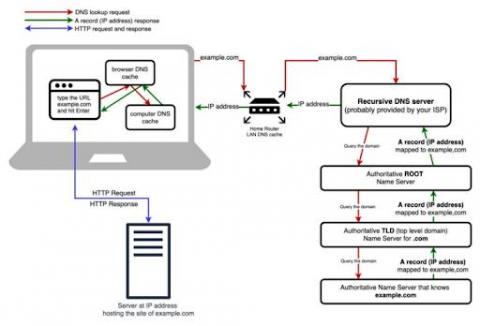
DNS (Domain Name System) servers translate standard language web addresses to their actual IP addresses for network access. DNS response time is the time it takes a Domain Name Server to receive the request for a domain name’s IP address, process it, and return the IP address to the browser or application requesting it. When it comes to DNS response times, the lower the better, and generally values less than 100ms are considered to be in the acceptable range (depending on the application).
Learn how to reduce your latency and get better network performance from the popular cloud service provider.
The ecommerce industry is booming. While the pandemic accelerated the need for businesses to digitalize, advancements in technology and the surge in available marketplaces also helped ease buying and selling online. According to Shopify, the ecommerce industry is expected to grow by almost $11 trillion by 2025. Online stores are popping up every day – with an estimated 12-24 million ecommerce sites globally.