Operations | Monitoring | ITSM | DevOps | Cloud

How to migrate data from Salesforce to SQL Server using SSIS

Learn how to easily connect SSIS to Salesforce, access your CRM data, and load it into SQL Server using Devart SSIS Data Flow Components. This step-by-step guide shows you how to set up the connection, select and preview Salesforce data, and run efficient data transfers—all without coding. Perfect for data professionals looking to simplify Salesforce integrations with SSIS.

How Pepperdata Increases Resource Utilization for Reduced Costs on Kubernetes | Pepperdata

Without Pepperdata, the Kubernetes system scheduler only sees resource allocations—causing low utilization and inflated spend. Watch the video to learn how Pepperdata optimizes workloads running on Kubernetes. Visit pepperdata.com to learn more.

Introducing Honeycomb Intelligence Anomaly Detection

Modern teams face a persistent challenge: knowing when something goes wrong before their customers do. With architectures sprawling across dozens or hundreds of services, creating comprehensive alerting becomes an overwhelming task. You're left playing whack-a-mole with manual alert configurations, often missing critical issues or drowning in false positives. Today, we're excited to announce our solution to this challenge: Anomaly Detection (currently in alpha), Honeycomb's proactive approach to understanding and acting on service health.

Resolve's Agents of IT podcast - Ep. 1 - Pat Calhoun at Espressive - AI in IT: A Combined Operation

Welcome to the very first episode of Agents of IT, the podcast for IT leaders accelerating the shift to Zero Ticket IT! For our inaugural episode, Sean Heuer (CEO) and Ari Stowe (COO) sit down with Espressive founder Pat Calhoun to discuss why agentic AI and intelligent orchestration are the superhero duo that teams need to meaningfully transform IT. This is a conversation that tech leaders looking to shake things up won't want to miss.

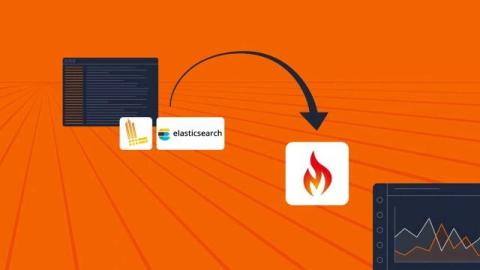
Visualize Logs Alongside Metrics: Complete Observability Elasticsearch Performance

Elasticsearch is a distributed search and analytics engine that powers everything from log management platforms to e-commerce search bars. It excels at indexing and retrieving large volumes of data quickly, but like any complex system it can slow down under heavy load or inefficient queries.

A smarter filter for Grafana Alerting: Introducing a new way to find your alerts

At Grafana Labs, we believe that effective alerting is the cornerstone of any robust observability strategy. That’s why we’re constantly listening to your feedback and working to improve the Grafana user experience so it’s easier for you to manage and interact with your alert rules. Today, we’ve excited to tell you about an update in Grafana Alerting that’s built to address some of your biggest pain points.

Logs vs. Metrics: Why You Need Both for Observability

Picture this: Your dashboards are calm. CPU load is steady. Error rates are low. Everything looks fine. That is, until the alarms go off. Now what? Metrics tell you something’s wrong, but not what, where, or why. They reveal symptoms, not root causes, and in high-stakes environments, that’s only half the story. Say your API response times spike. Metrics raise the flag, but they don’t tell you if it’s a code deployment, a database hang, or a traffic surge.

Visually identify observability gaps with Cloudcraft in Datadog

Modern cloud environments are highly complex and dynamic, with critical services relying on large numbers of ephemeral resources. Ensuring observability coverage across this landscape is essential for troubleshooting, maintaining reliability, optimizing performance, and enforcing security standards. But as environments grow more elaborate and their ownership more dispersed, tracking observability coverage becomes increasingly challenging.