Operations | Monitoring | ITSM | DevOps | Cloud

What Is Alert Noise Reduction? Techniques & Tools

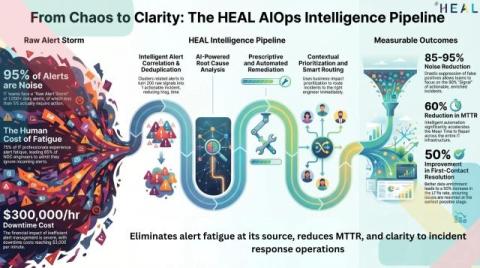
Modern IT environments are noisy. The sheer volume of telemetry data coming forth every second from microservices, hybrid clouds, and containerized applications is just extraordinary. In IT Operations, NOC teams, and Site Reliability Engineers (SREs), this data is crucial, but only if it can be acted upon. When it’s not like this, everything becomes a background noise.

Alert Noise Isn't an Accident - It's a Design Decision

In a previous post, The Incident Checklist: Reducing Cognitive Load When It Matters Most, we explored how incidents stop being purely technical problems and become human ones. These are moments where decision-making under pressure and cognitive load matter more than perfect root cause analysis. When systems don’t support people clearly in those moments, teams compensate. They add process. They add people. They add noise. Alerting is one of the most visible places where this shows up.

EasyVista Service Manager + SIGNL4

Modern IT service management platforms excel at structuring work: tickets, workflows, approvals, SLAs, and reporting. But when a major incident occurs, success depends on more than clean processes – it depends on how fast the right people are reached and respond. This is where EasyVista Service Manager (EVSM) and SIGNL4 work exceptionally well together.

How HVAC Companies, Contractors and Property Management Firms Use OnPage for Emergency Response

Over the past couple of weeks, as snowstorms and extreme cold swept across much of the Northeast, something interesting started happening on our end at OnPage. Our phones lit up. Not from healthcare teams or IT operations/tech teams, which is where many people expect us to be used, but from HVAC companies, contractors, and property management firms scrambling to prepare for what they knew was coming.

How CMMS Improves Inspection Accuracy and Compliance

Ever wondered why teams would miss routine inspections when it's for their safety and good? It is not because they are incompetent or do not strive to stay compliant, but because the system they work with is flawed. Employees are overwhelmed by manual processes, where information keeps slipping through the cracks. Paper checklists hide in desks, texts get skipped, and memories fade. Proper inspection and compliance get overlooked, and once the issue resurfaces, it is too late. Then you find teams scrambling to put out the fire that shouldn't have started in the first place.

How to combat alert fatigue like a ninja

When IT professionals become desensitized to the constant stream of system and network alerts, potentially missing critical issues amid the noise, the consequences can be significant. Join Field CTO Jeff Hunter as we discuss how to take a strategic approach to monitoring to help prevent alert fatigue with technicians and with end users.

How Alerting Works in SolarWinds Observability Self-Hosted

This training video from SolarWinds Academy provides a high-level overview of how the alerting process works within SolarWinds software. Technical trainer Cheryl Nomanson explains the step-by-step workflow, starting with the alerting engine continuously scanning the database for conditions that meet alert trigger thresholds. She covers how triggered elements are evaluated for suppressions (like time-of-day restrictions and scoping), and explains that only fully qualified conditions become actual alerts. The video details how alerts always display in the web console and may trigger additional actions like emails or scripts.

Enterprises don't fail because systems go down

They fail because human response breaks down under pressure. Over the past decade, organizations have invested heavily in monitoring, observability, and automation. Dashboards are everywhere. Alerts fire instantly. Tickets are created automatically. And yet, when a critical incident happens, the outcome is often painfully familiar. Someone doesn’t respond. Escalations stall. Ownership is unclear. Waste work in following up is created. And valuable time is lost.