Operations | Monitoring | ITSM | DevOps | Cloud

The latest News and Information on Cloud monitoring, security and related technologies.

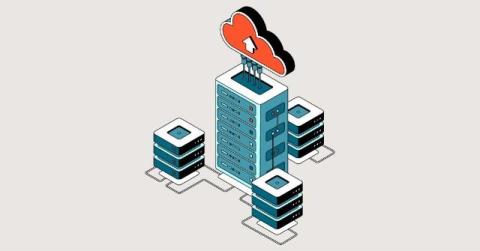
Why Cloud Managed Data Center Services Are Having A Moment

The obituary for the data center was written too soon. While the cloud dominates today’s IT headlines, traditional infrastructure hasn’t disappeared. It is evolving. Enterprises still rely on data centers for control, compliance, and reliability. However, they are increasingly needing the agility, scalability, and cost visibility that the cloud promises. Cloud managed data center services are bridging this gap.

Why a Cyber Fusion Center Is Essential for Cloud-First and Remote Work Environments

A cyber fusion center brings together security operations, threat intelligence, and incident response under one roof. Instead of teams working in silos, it encourages constant collaboration between analysts, engineers, and business units. This model shifts security from a reactive approach to a proactive one, anticipating risks before they spiral out of control.

How we use Datadog to get comprehensive, fine-grained visibility into our email delivery system

Visibility into email performance is indispensable to any organization that counts on its ability to reach people through their inboxes, including Datadog. SREs, FinOps, and many other teams rely on email as a critical channel for communications from our platform, including monitor alerts, usage reports, and service account notifications. At Datadog, we depend on the visibility provided by our integrations for Mailgun, SendGrid, and Amazon SES to optimize our email performance and ensure deliverability.

Private Cloud: The Future of Cloud Sovereignty

For a long time, public cloud has been the default answer to scaling infrastructure, but it's not the only path forward. As more teams weigh the risks of vendor lock-in, data residency, and dependence on US-based providers, the conversation around private cloud has taken on new urgency. However, building on private infrastructure doesn't have to mean sacrificing flexibility.

iCloud vs Google Drive: Which One Should You Choose?

Two of the most well-known brands in the cloud storage market are iCloud and Google Drive. This article will explore the "big" two services regarding price, storage capacity, features, security, privacy concerns, integration with other services, user interface, and pros and cons. By the end, you will better understand which cloud storage service is best for you. We already covered Google vs Microsoft in a previous article, which you can check out below.

AWS CloudFormation Pricing Breakdown (And How To Save)

Nearly every industry today uses AWS for different services. Developers, cloud architects, DevOps engineers, and IT teams all use it to provision servers, databases, and storage. However, doing this service by service and then wiring them together can get messy. That’s where AWS CloudFormation comes in to save time, enforce consistency, and lower the risk of misconfigurations. But beyond simplifying infrastructure management, one big question remains: at what cost?

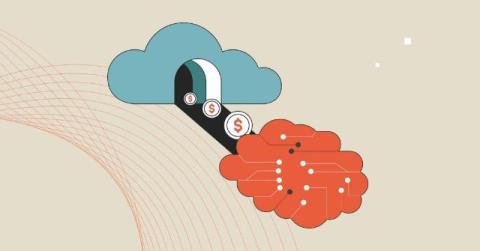
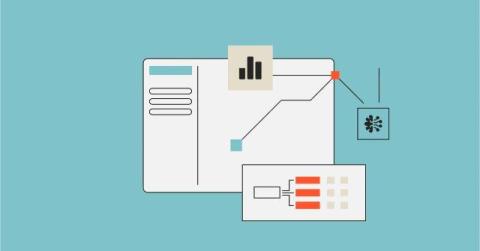
Introducing Dimension Studio: Easier, Faster Cost Allocation In CloudZero

Today, we’re making CloudZero even better with the launch of Dimension Studio, a major evolution in how CloudZero customers create and manage Dimensions — customizable “lenses” that allocate cloud and AI spend to relevant categories like products, features, teams, or customers, without relying on resource tags. At CloudZero, our mission has always been to help organizations make sense of their cloud and AI spend.

The Rule Of 40: How To Calculate And Use It For SaaS

Many SaaS businesses prioritize customer acquisition and retention over increasing gross margins, particularly during the startup and scale-up stages. It makes sense. A company can accelerate its revenue growth by acquiring and retaining more new customers, rather than simply selling more to existing ones. Yet, here’s the thing. Revenue growth measures the increase in the amount of money a business earns from sales.

The Hidden Cost of Running Cloud-Hosted SD-WAN for IaaS

There are three common ways to connect your branch locations to the cloud. We break down the benefits and limitations of each. Many enterprises are executing a strategy of cloud services first, followed by application modernization – including SD-WAN. Moving toward a cloud-native architecture using containerization, microservices, or serverless architectures like SD-WAN can lower costs over time, increase scalability, reduce development cycles, and speed up time to market.