Operations | Monitoring | ITSM | DevOps | Cloud

JSON Basics: Building Blocks for Workflow Automation

Automation workflows add a lot of value to an organization’s day-to-day operations. At a minimum, they streamline the execution of complex, multi-step processes, thereby allowing people to focus on higher-value tasks. On top of that, automation workflows can provide valuable insights through the metrics that they gather – including the number of requests, the date and time they were requested, the time it took to complete each request, who made the request, and much more.


Here's how Machine Learning puts the 'personal' in ecommerce personalization

You can transform your search box into your sales rep—when you have the right tools. An impactful customer experience that drives purchases and loyalty isn't just about delivering what a customer says they want — it's about predicting and proactively serving up what they need. We might be able to imagine this work in a store with salespeople. But as organizations scale and customer interactions happen across digital and in-person mediums, their data grows.

Grafana reporting: How we improved the UX in Grafana

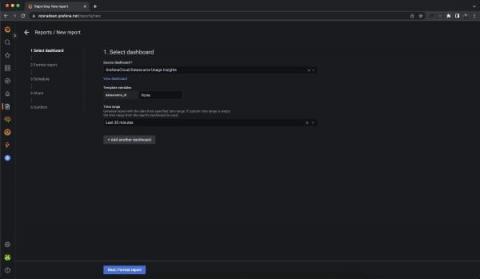
Behind every feature in Grafana, no matter how big or small, lies a lot of hard work, commitment, and attention to detail. At Grafana Labs, we use a cross-functional team approach to come up with ideas and solutions that ultimately make our products more usable, resilient, and adaptable to user needs. To achieve this, we work collaboratively across the UX, product, and engineering disciplines.

Common DevOps Roles and Responsibilities

DevOps-oriented engineers live at the intersection of IT operations and software development: understanding much of what it takes to maintain IT infrastructure while also being able to write code and deploy new services. DevOps-minded teams not only create services — they also maintain them. A DevOps structure forces teams to take accountability for their applications and infrastructure instead of allowing developers to throw code over the proverbial wall to IT operations.

Is ITIL for Everyone? Pros and Cons of ITIL

ITIL is probably the most used framework in the IT world right now. But it's easy to start taking it as undisputed truth, and something we don’t always ask ourselves is whether the ITIL framework works in every single scenario and for every industry. And, while we’re not shy about singing its praises, we also like to keep things real. Therefore, let’s take a look at the ITIL framework and ask ourselves: what are some of the pros and cons of ITIL?

What Is Antivirus Software?

Antivirus software refers to any program that’s specially designed to detect and remove malicious software (malware). After installation, antivirus software usually works continuously in the background to offer real-time protection against viruses and malware. A comprehensive AV solution can help you protect your device or network from various cyberthreats like malware, spyware and phishing.

Introducing Metric Alert notification charts and Duplicate Alerts

Unless you stare at Sentry all day waiting for error or performance problems to pop up, chances are you rely on alerts to let you know when something breaks or slows down. There are two types of alerts you can set up: 1) Issue Alerts, which are tied to issues that meet predefined criteria, and 2) Metric Alerts, which trigger when error volume or performance metrics like apdex, latency, or throughput surpass a pre-defined threshold.