Operations | Monitoring | ITSM | DevOps | Cloud

Considerations to Make When Running a Load Test

Load testing isn’t an engineer’s favorite task. Every setup choice made during performance testing will yield varying results. The chosen load test protocol is the difference between an application that performs well under most circumstances and one that buckles at hidden stress points. Yet failing to run adequate tests isn’t an option when dealing with a complex API architecture. Needless to say, all your load testing options must be carefully evaluated.


Time to rethink backup

When was the last time you thought about your backup process? Is it one of those things you’ve just accepted to be the way it is? If so, your backup may be consuming more time and resources than it should. The state of backup technology has moved forward, and many of the old assumptions about it are no longer true. N-able recently interviewed about a dozen MSPs from around the world and heard first-hand what they discovered when they took a fresh look at backup.

Bring IT On in the Year of the Ox

IT Pro Day is here, and it feels like the new year in IT! It’s a time to reflect on lessons from the past year and celebrate your achievements while setting goals for the season ahead. The theme for this year, Bring IT On, feels especially appropriate as we’ve been in the Year of the Ox. According to the Chinese zodiac, the ox is known as the “good helper” symbolizing strength, diligence, and persistence. I can’t think of a better sign that embodies IT pros.

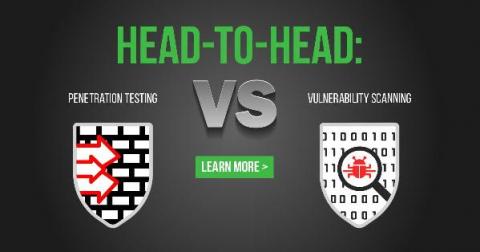
Head-to-Head: Penetration Testing vs. Vulnerability Scanning

To release reasonably secure products, vendors must integrate software security processes throughout all stages of the software development lifecycle. That would include product architecture and design; implementation and verification; deployment and monitoring in the field; and back again to design to address the changing threat landscape, market needs, and product issues.

Now Available: Ivanti Cloud Service Appliance (CSA) 4.6

Ivanti Cloud Service Appliance (CSA) 4.6 is now available for customers to download. Like our previous CSA 4.5 release, this CSA 4.6 release addresses the situation where CentOS has announced an EOL (or change) to the CentOS 8 operating system that we are using. As a result of this, we have adjusted and built CSA 4.6 on CentOS 7, which should provide us with a stable OS platform into the future.

Top 6 AWS Lambda Monitoring Tools

Monitoring AWS Lambda performance plays a crucial part in your everyday AWS Lambda usage. Monitoring helps you identify any performance issues, and it can also send you alerts and notify you of anything you might need to know. The world is slowly getting to a point where machines and computers will be flawless, but until then, if we let them perform various tasks for us, we could at least monitor their performance.

Policy as code for Kubernetes with Terraform

As you scale microservices adoption in your organization, the chances are high that you are managing multiple clusters, different environments, teams, providers, and different applications, each with its own set of requirements. As complexity increases, the question is: How do you scale policies without scaling complexity and the risk of your applications getting exposed?

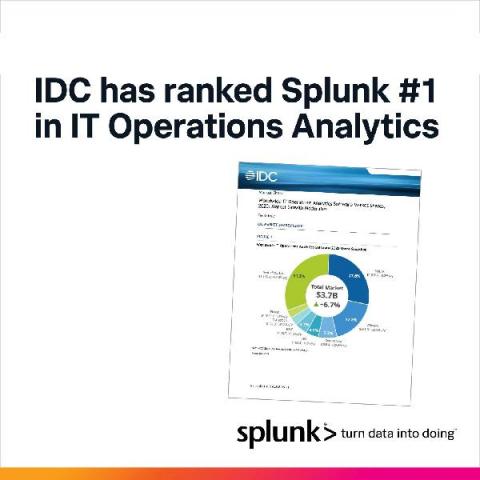
Expanded Customer Adoption Lands Splunk First in 2020 IT Operations Analytics Market Share Report

For the 7th year in a row, IDC has ranked Splunk as #1 in ITOA*. We’re thrilled with this news, but let me start by saying that our success is due to the continued success of our customers, and we’re very grateful for the opportunity to be a part of it. Need a refresher on ITOA? We know we know, another day another acronym. ITOA is IT Operations Analytics. IDC derived this market from portions of their IT Operations management (ITOM) software market.

The Challenge of Monitoring a Distributed Network

It’s surprisingly difficult to find information related to monitoring a distributed network. I think this is because, in part, network pros take the term for granted. We all intuitively know what a distributed network is, and the term is pretty common in conversation. But when you start to think about a precise definition, or even search for one online, things get fuzzy. What exactly makes a network distributed? Is a distributed network fundamentally different from a decentralized network?