Together with N-able, Dufeu transforms business through automation
Automating simple tasks enables the MSP to redirect skills and focus on customer service.


The COVID-19 pandemic has not only had a profound impact on everyone across the globe; it has also fundamentally changed the way organizations function. We are nearing one and a half years since remote work became the norm and organizations had to adapt to this new mode of working almost overnight. This rapid transition wouldn’t have been possible without the massive technology, workflow, and process upgrades undertaken by IT departments.
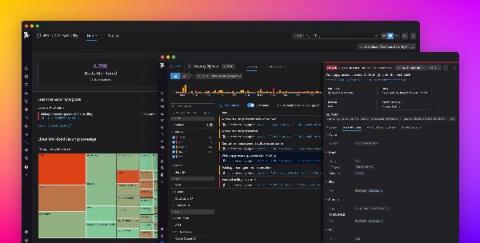
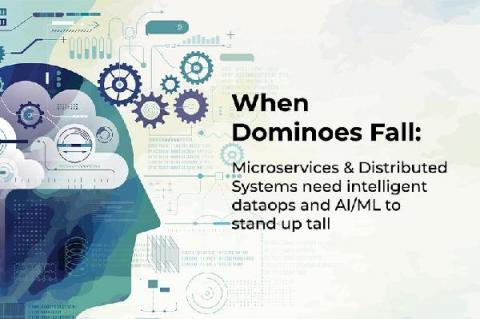
From containerized workloads to microservice architectures, developers are rapidly adopting new technology to scale their products at unprecedented rates. To manage these complex deployments, many teams are increasingly moving their applications to third party–managed services and infrastructure, trading full-stack visibility for simplified operations.
Security touches every aspect of an organization's infrastructure and influences most of its processes. That's a lot to cover, and it seems like there are never enough people to handle the work. Even with budgets increasing by an average of 10% annually over the last 5 years, the recent increase in remote work and cloud adoption is stretching security teams even thinner.
When you migrate workloads from on-premise infrastructure into a public cloud, you can improve the performance, reliability, and security of your application, and you might also lower your costs.
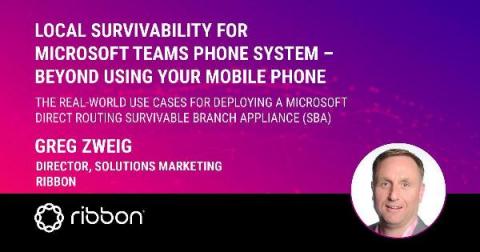
The real-world use cases for deploying a Microsoft Direct Routing Survivable Branch Appliance (SBA)
Logging helps developers in reducing errors and cyber-attacks. The application is designed to be dynamic. We can't always predict how an application will react to data changes, errors, or program changes. Logging in allows us to better understand our own programs. For all applications, an absolute logging solution is essential. A good logging system increases the application's stability and makes it easier to maintain on the production server.