Ubuntu is a Linux distribution based on Debian Linux that’s mostly composed of open-source and free software. Released in three options – servers, desktop computers and Internet of Things devices. Ubuntu is highly popular, reliable and updated every 6 months, with a long-term support version released every two years. Multiple Ubuntu versions allow users to choose whether to stick with the long-term support version or the recently updated one.
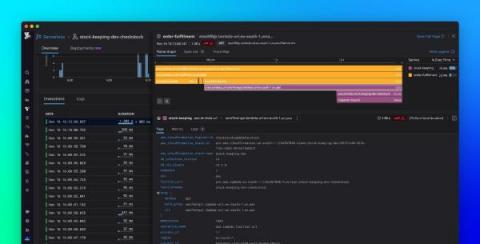
AWS Lambda Function URLs make it even easier to create AWS Lambda functions that can be accessed and triggered by using HTTP/S requests, which is key for building serverless applications that are connected to and invoked from the web. Now you can generate a URL in one click that points to a specified Lambda function. Then, any HTTP/S request that a Function URL receives will trigger the Lambda function it’s assigned to.
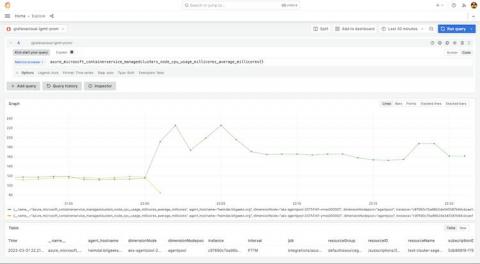
As more organizations adopt cloud-based services like Microsoft Azure Kubernetes Service (AKS), it becomes increasingly important to monitor and manage the performance and reliability of these services. If you’re using AKS today, then Grafana Cloud provides the flexibility, performance, and visualizations you need to monitor your distributed applications.
Why do we want to eliminate trust? Isn’t trust a good thing that we should foster and grow? And shouldn’t computing platforms trust their end-users, and vice versa? The short answer is no. And I would argue that the very goal of system security has always been to reduce trust.
When it comes to getting to the root of a performance problem, nothing beats the lightning-fast speed and precision of Application Performance Management (APM). But choosing between New Relic and Scout can be like navigating a labyrinth of options and considerations. With New Relic, you'll get a top-of-the-line tool that's perfect for some situations, while Scout's streamlined approach fits like a glove in others.
RFID, or radio frequency identification, is a technology that has been around for decades but has gained increasing popularity in recent years due to its ability to streamline inventory tracking and management. RFID software systems use radio waves to identify and track objects, making them a valuable tool for businesses looking to optimize their operations. In this blog post, we will explore how RFID works and where it is used, with a particular focus on its role in inventory tracking.
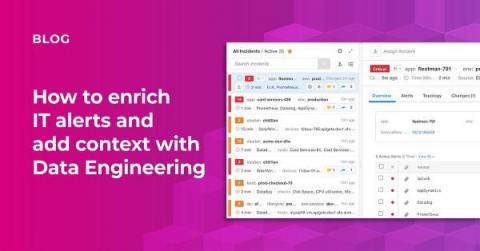
I see it daily in my role, IT organizations are paying for best-of-breed monitoring tools but struggle to tie the pieces together between these siloed systems. The wound of these silos is further punctured when incidents arise. Incidents are costly for so many reasons, like wasted company resources, potential revenue loss, customer satisfaction, employee burnout, etc. This is exactly why BigPanda exists, to apply AI to the complex problems IT operations, NOC, SRE, and DevOps teams face daily.