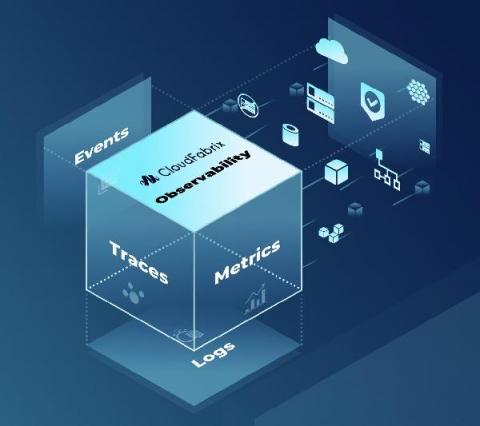
If you’re an SRE or on a DevOps team working with Kubernetes and containers, you’ve undoubtedly encountered network connectivity issues with your microservices and workloads. Something is broken and you’re under pressure to fix it, quickly. And so you begin the tedious, manual process of identifying the issue using the observability tools at your disposal…namely metrics and logs.
Recently our CMO, Nik Koutsoukos, and VP Operations, Tony Ferelli, joined Heavy Network on a podcast discussing Digital Experience Monitoring, and how effective monitoring requires a focus on the user experience. Most monitoring tools monitor from the network or application perspective. Now that microservices and multi-cloud environments are commonly used, monitoring is more challenging. The better monitoring approach is being user-centric.
Automation is everywhere in our day-to-day IT practices. Many of the processes that have been created for managing hardware and software components were designed, or at least initiated, in a time when managing only a few instances of an application was the norm. When we look at the work required to create, deploy, and maintain applications at a modern scale, the shortcomings of these processes become apparent.
The new Honeycomb Kubernetes agent is out! This post describes how infrastructure metrics contribute to observability, and then walks you through the steps to start sending your own Kubernetes data into Honeycomb. Follow the steps to start observing your infrastructure in production!
Elastic on Google Cloud gives you the power of Elastic Enterprise Search, Elastic Observability, Elastic Security as well as the Elastic Stack so you can quickly and easily search your environment for information, analyze data to observe insights, and protect your technology investments. Elastic Cloud lets you deploy your way, whether as a managed service, or with orchestration tools you manage in your Google Cloud environment.
Kubernetes can bring a wide collection of advantages to a development organization. Properly leveraging Kubernetes can greatly improve productivity, empower you to better utilize your cloud spend, improve application stability and reliability, and more. On the flip side, if you are not properly leveraging Kubernetes, your would-be benefits become drawbacks. As a developer, this can become especially frustrating when you are focused on delivering quality code, fast.