CFEngine: The agent is in 30 - Profiling CFEngine policy
"CFEngine: The Agent Is In" is our monthly webinar series, where we show new features, teach best practices, and keep the community informed about everything CFEngine.


The latest News and Information on CyberSecurity for Applications, Services and Infrastructure, and related technologies.
A guide to maintaining a secure network.
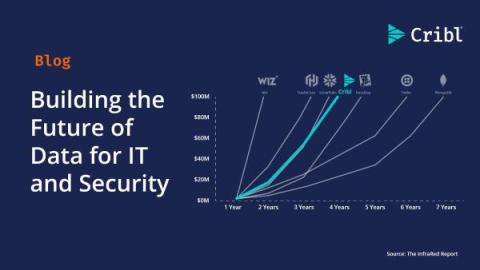
Today, Cribl surpassed $100 million in annual recurring revenue (ARR), becoming one of the fastest companies to ever reach this milestone in under four years––an incredible achievement on our journey to building a generational company. Reaching $100 million in ARR so quickly shows that our unique approach and steadfast focus on IT and Security continues to be validated by the market.
Our 1st blog in our series on securely consuming OSS. Today, I'll give an overview of some of the most common types of attacks from consuming OSS. Open-source software (OSS) fuels innovation. Over 96% of commercial applications rely on at least one OSS component (Synopsys, 2023). At Cloudsmith, we champion OSS and understand its indispensable role in today's software landscape. However, the escalating threat of supply chain attacks targeting OSS demands a robust defence.