Sysdig Introduces Low-Touch Zero Trust Network Security for Kubernetes
Deep network visibility cuts time required to implement Kubernetes microsegmentation.


The latest News and Information on CyberSecurity for Applications, Services and Infrastructure, and related technologies.
System Monitor (Sysmon) is Windows’ service for monitoring activity and recording it to the Windows event log. It is the go-to for logging anything on a PC. Sysmon will immediately log events, capturing vital info. The driver for Sysmon will install as a boot-start driver, enabling capture of any and all events from the get-go. Now, you can send Sysmon logs straight to Logz.io Cloud SIEM.
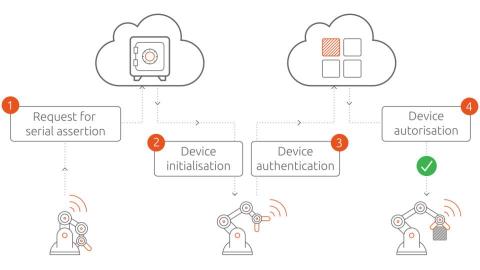
Cybersecurity attacks on industrial IoT solutions can have detrimental consequences. This is the case because IoT devices record privacy-sensitive data and control production assets. Therefore, demonstrable trustworthiness is prerequisite to IoT adoption in industrial settings. Fortunately, IT security is a mature field. Experts have identified classes of threats devices may be subject to. Let’s discuss these threat patterns and mitigation strategies in the IIoT context.
If you’re running containers and Kubernetes on IBM Cloud, you can now enable the key security workflows of Sysdig Secure as a service within your IBM Cloud deployments. This makes it easier for you to implement security tools and policies to ensure your containers and your Kubernetes environment are protected and running as intended. The new container and Kubernetes security features are integrated into IBM Cloud Monitoring with Sysdig and offered as an additional service plan.
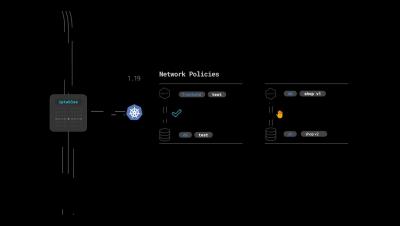
Microservices and Kubernetes have completely changed the way we reason about network security. Luckily, Kubernetes network security policies (KNP) are a native mechanism to address this issue at the correct level of abstraction. Implementing a network policy is challenging, as developers and ops need to work together to define proper rules. However, the best approach is to adopt a zero trust framework for network security using Kubernetes native controls.