You’re in the incident channel rocking yet another incident. Comms are flowing, resolution is in sight, the team is grinding, and you’re feeling good. Then…
For many IT organizations, triaging or troubleshooting starts with assessing symptoms. As practitioners investigate the causal factors by answering each of the “5 whys,” logs are often where the actual root cause answers lie. This is even more true for issues related to configuration changes, change management, and security. However, diving into log data can be overwhelming as a first step due to the high volume and velocity of logs and missing context.
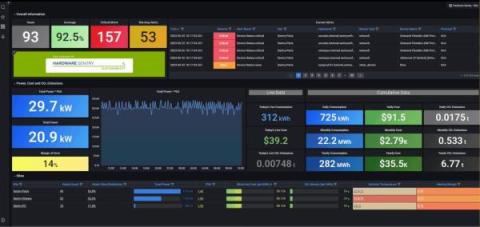
With just 30 employees, Sentry Software might be considered a small company, but they’re prioritizing sustainability in a big way. As the makers of Hardware Sentry, an IT monitoring software, a large part of their business relies on maintaining optimal temperature conditions at their data centers — an operation that contributes to the company’s overall carbon footprint.
Like many companies, earlier this year we saw an opportunity with LLMs and quickly (but thoughtfully) started building a capability. About a month later, we released Query Assistant to all customers as an experimental feature. We then iterated on it, using data from production to inform a multitude of additional enhancements, and ultimately took Query Assistant out of experimentation and turned it into a core product offering.
OpenSearch is a powerful, open-source analytics and search engine that can be utilized to construct custom search solutions for a broad variety of applications, from websites to enterprise-level systems. It enables flexible search and indexing abilities, making it suitable for a range of uses, a great example of this is scalability. OpenSearch is designed for horizontal scalability, enabling organizations to input additional nodes to their cluster as data volumes and query loads increase.
In the age of customization, SharePoint’s ability to provide a personalized experience is pivotal for user engagement. Just like a tailor-made suit fits better than a generic one, a SharePoint interface tailored to individual users resonates more deeply.