Operations | Monitoring | ITSM | DevOps | Cloud

Best Practices in Incident Management

In an always-on world, companies look to systems and processes to keep their services up and running at all times. The most important part of maintaining this uptime is having an Incident Management process in place to restore your services in the event of an interruption or unplanned downtime. Incident Management processes are typically used by SRE, DevOps, NOC and other IT teams to respond to incidents that affect services and work on restoring their uptime.


Introducing Custom Reports & Dashboards for Jira Software

Launching ManageEngine Analytics Plus for Jira Software and Jira Core. Discover important Agile & Scrum metrics, KPIs, reports and dashboards that project managers now have access to, allowing them a level of visibility into their team and projects like never before.

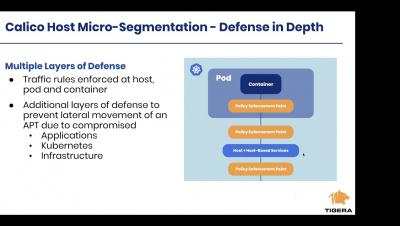
Getting up and running with Calico Host Micro segmentation Protection on AWS

In this online training, we will explain how to install and configure Calico on a vm/host to apply network policy to resources outside your K8s cluster. The talk will be primarily a walkthrough and demo and you will receive all manifests and instructions to do the demo on your own after the session.

Ruby Garbage Collection: More Exciting than it Sounds

Running software uses computer memory for data structures and executable operations. How this memory is accessed and managed depends on the operating system and the programming language. Many modern programming languages manage memory for you, and Ruby is no different. Ruby manages memory usage using a garbage collector (also called gc). In this post, we’ll examine what you, a Ruby developer, need to know about Ruby’s gc. Use the links below to skip ahead in the tutorial.