For the last five years, Logz.io has tracked and measured the pulse of DevOps, as well as adoption of key trends and technology, through our DevOps Pulse survey and report. One of the obvious focus areas for us, as a company whose products are based on industry-leading open source, is the increased rise of incredibly useful open-source observability solutions, in general.
Our May update brings Signl templates for manual alerting, improvements for duty scheduling and various enhancements in the web portal. Another new feature is the possibility to notify through calling landline numbers. All details can be found in this blog article.
Welcome to the 8th edition of Open Source Matters: our regular publication about the latest happenings in open source! Let’s dive into the news.
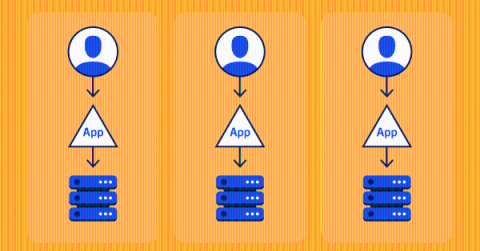
Most products that run as Software-as-a-Service (SaaS) are built to be multi-tenant, meaning that a single instance or deployment is meant to be used by multiple organizations. There’s a good reason for this: it’s generally easier to scale and operate multi-tenant applications. But in this new age of containers, orchestration, infrastructure-as-code, and Kubernetes, where it’s cheaper, faster, and simpler to deploy a new instance of an application, that may no longer be the case.
Like all Norse gods and Marvel villains, every open source project has a good origin story. The new episode of “Grafana’s Big Tent” podcast provides that behind-the-code look at building Grafana Mimir, the horizontally scalable, highly performant open source time series database that Grafana Labs debuted in March.