Operations | Monitoring | ITSM | DevOps | Cloud

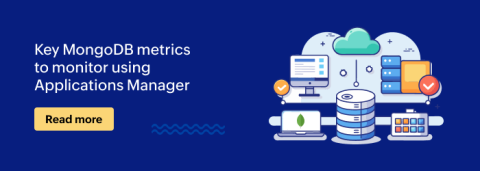
Key MongoDB metrics to monitor using Applications Manager

MongoDB is an open-source NoSQL database management system that stores data in JSON-like documents and works without a schema. It’s a flexible, cross-platform database solution that uses a document-oriented architecture to store and retrieve data, and it’s known for its high scalability, performance, and fault tolerance. MongoDB monitoring is the process of tracking the health and performance of MongoDB servers to ensure high availability and to easily maintain MongoDB deployments.

Maximizing Uptime: Four Essential System Monitoring Best Practices

System uptime is a fundamental necessity for every organization that gives importance to the customer experience and satisfaction. A single minute of downtime can trigger a cascade of negative consequences, impacting everything from revenue streams to customer loyalty. So, why exactly is system uptime important? Downtime translates to lost revenue, frustrated users, and operational disruption.

What to Expect When You're Expecting InfluxDB: A Guide

Well, you’ve done it. You decided to take the plunge with InfluxDB. While vast and diverse possibilities await, you may have more short-term concerns. Namely: now what? Getting started looks different for everyone because no two users are doing the exact same thing. This post is primarily aimed at InfluxDB Cloud Dedicated and InfluxDB Clustered users (or any other products that include support agreements. You can chat with one of our sales folks if you have questions about that).

Finding a Better Way to Work in the Cloud!

With the 4.6 release, Cribl.Cloud Enterprise users now have the opportunity to opt-in to a new cloud experience. As a deeply customer-centric company, we listened to your feedback, and we heard you! We are making our user experience efficient, secure, and flexible. As we work to refine this new experience, we invite you to partner with us and share your input to influence this transformation as it makes its way across the entire Cribl suite!

False Positive Alerts: A Hidden Risk in Observability

Observability systems are designed to keep tabs on key metrics, identify unusual patterns, and alert teams when things go awry. Despite best efforts, however, these systems are not infallible, and sometimes they send out alerts for issues that don’t exist. This is what we call a false positive. These false alarms can wreak havoc on team efficiency, lead to alert fatigue, and obscure genuine problems. Let’s delve into what false positives are and why they matter so much.

A Guide To GCP Cost Anomaly Detection

Keeping costs under control is crucial to managing projects on the Google Cloud Platform (GCP). Yet, even the most experienced teams can face unexpected increases in their cloud bills. These surprises, known as cost anomalies, can disrupt budgets and plans. But, with the right approach and tools, you can spot these issues early and keep your cloud spending on track.