BigPanda Autonomous Operations Overview
BigPanda allows you to resolve incidents quickly and easily in real-time, and drive IT Ops performance using reports and analytics.


The current days of remote work and “IT Ops from home” may or may not be here to stay, but they definitely reinforce the need for consolidating and modernizing our monitoring. The challenges which multiple siloed tools create for understanding the big picture are only exacerbated by having just one screen to look at when monitoring our IT from our kitchen table.
Coronavirus (COVID-19) is greatly impacting the lives of organizations, employees and stakeholders. With the outbreak’s rising impact, more employees are migrating to remote, work-from-home practices as means of achieving “social distancing.” However, inevitable challenges are emerging with remote workdays. Obstacles include, but aren’t limited to, employee isolation, diminished productivity and poor team communication or collaboration.
We’ve already heard from a couple of customers that continuous operation of critical IT is a ‘must’ in our turbulent times. Not only to facilitate remote work and home office for an unprecedented number of workers but also to keep critical IT infrastructure going. Our customers attest that Enterprise Alert is most critical for them in today’s challenging times and it helps them to stay afloat and be fully operational from their home offices.
Coronavirus has been a shock to the system for many IT organizations that are traditionally accustomed to working together in person. When you’re in an office, you can often use informal methods of communication—like swinging by someone’s desk, calling them on their office extension, or even imparting critical information when you run into them in the company cafeteria.
It has certainly been quite a month. With millions of workers forced to stay home due to COVID-19, or in some cases laid off altogether, the world’s networks have been under some unusual strains. Let’s see how that’s played out during this month in glitches.
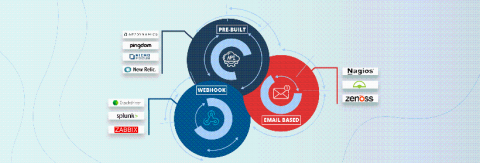
DEJ's The Roadmap to Becoming a Top Performing Organization in Managing IT Operations report found that 40% of IT teams use more than 10 monitoring tools to ensure the right levels of operational visibility and control. Given the diversity of tools used by enterprises, the only way to ensure collaborative unified incident management is to use a modern AIOps platform with native infrastructure discovery and monitoring instrumentation.
As the COVID-19 outbreak progressively impacts the world, many companies are grappling with the strain. It’s a very uncertain time for business right now. Even with so many factors out of your control, but there are a few things you can do proactively to protect your business. Keep your customers happy. Do everything you can to provide the best customer experience and remedy leaks early.
The coronavirus (COVID-19) pandemic has forced many global enterprises to temporarily shut down their operations, resulting in lost productivity and revenue losses. Yet, with a business continuity management (BCM) strategy, enterprises are well-equipped to limit business interruptions until the pandemic passes.