Operations | Monitoring | ITSM | DevOps | Cloud

Grafana OnCall is now generally available on Grafana Cloud, with a generous free tier

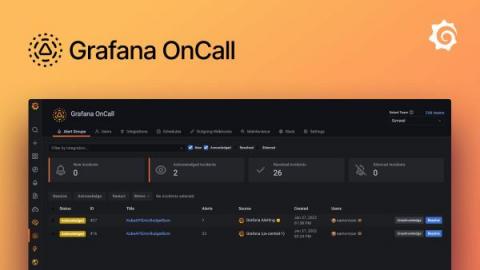
Today we’re announcing the general availability of Grafana OnCall on Grafana Cloud for all paid and free plans. A big part of delivering great software is ensuring the right people get the right information when the inevitable incidents occur. We want to help you do that with Grafana OnCall, an easy-to-use, developer-first on-call management tool that’s built on top of the Grafana stack you know and love.

Monitoring and Managing Azure Active Directory Users

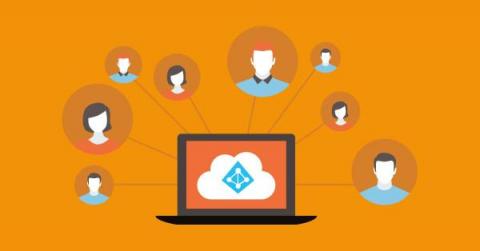
This blog post is part 2 of our Monitoring Microsoft Azure Active Directory series. Managing Identity is a big challenge in a cloud environment, especially when users can potentially log in from anywhere. Additionally, users can often use different types of devices to log in and access cloud-hosted resources. Without a central Authentication and Authorization source, it is very difficult to manage who can login to what and who can do what with a cloud resource.

Icinga L10n - The Future is Here

It’s soon two years since I’ve introduced you to Icinga L10n. There I’ve talked about a place on-line to ease collaboration. So, without further ado, let me introduce you to translate.icinga.com! We’re using Weblate on there and hope that interested users may already be familiar with it. The basic tools are easy to grasp though. And even if not, it has an extensive user documentation.

How To Calculate Margin Analysis For SaaS (And Increase Profitability)

Profitability in SaaS can be tricky. A company's net earnings are based on its invested capital, assets, and equity. But its profit margin shows how much money it extracts from its total sales or revenue — its ability to turn revenue into profit. Performing a thorough margin analysis or profit margin analysis is a reliable way to assess the company’s financial health.

Tapping Into the Hive Mind: Sharing Query History

Ever wonder how your teammates go about debugging? When you use Honeycomb, you’re not only getting observability into your systems; it also provides observability into how your teammates use Honeycomb! Very meta, no? You’re never alone when writing or running Honeycomb queries. Opening up the right sidebar will show you the queries your teammates have recently run on the same dataset.

Beyond IT Operations: Why Developers Need AIOps, Too

To date, AIOps has been a solution first and foremost for IT operations teams. In other words, AIOps has been used primarily to help IT teams manage what happens in the post-deployment part of a CI/CD pipeline, when they need to detect and remediate issues in production environments. That doesn’t mean, however, that AIOps leaves developers out of the picture. Although the conversation surrounding AIOps hasn’t paid a lot of heed to developers so far, it’s perhaps time to change that.

Open source cloud platform: meet OpenStack

Are you looking for an open source cloud platform and you don’t know where to start? Are you getting lost in all the independent rankings and cloud platform comparison pages? Try OpenStack and get your open source cloud platform up and running today. OpenStack works at any scale: from a single workstation to thousands of nodes and installs in minutes. Sounds impossible? Give it a try or continue reading to explore where is it coming from.

Linux Server Management in 2022

Linux server management is an integration of cybersecurity and business objectives. Linux server management at scale is a vastly different activity from interacting with a terminal on one machine. The best Linux server management tools universally offer a server management GUI within a web browser. Implementation details matter, especially in a pay-for-compute world. Sysadmin tools that don’t have a lightweight footprint increase overall compute costs.

Getting Started with Dart and InfluxDB

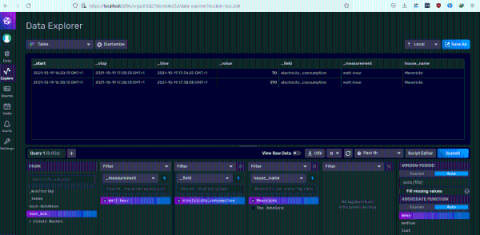
You just launched your application and it’s attracted more users than you were expecting. Your web server is bombarded with data. Now you need to know more about your users: what is the dominant device they’re using, and how long are they staying on the app? A time series database will help you answer these questions. It allows you to save data for a given point over a specified period of time, which gives you insight into what type of usage you’re getting and when.

Introducing Multi-Factor Authentication for Synthetics

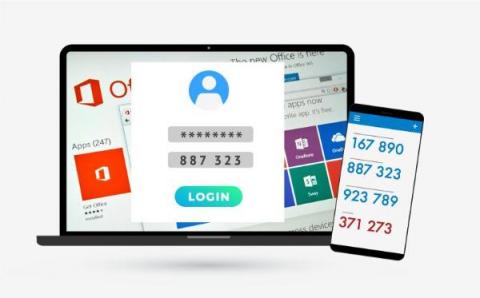
Multi-Factor Authentication (MFA) provides an enhanced security mechanism for your entire organization by requiring multiple methods of authentication credentials. Using traditionally managed passwords for accessing your apps, services, and networks is no longer a secure methodology. Indeed, cyber threats are on the rise. Hackers today employ sophisticated techniques such as spear-phishing or pharming to gain unauthorized access to corporate accounts.