Operations | Monitoring | ITSM | DevOps | Cloud

Mastering Predictive Analytics: Powering Engines for Continual Insight

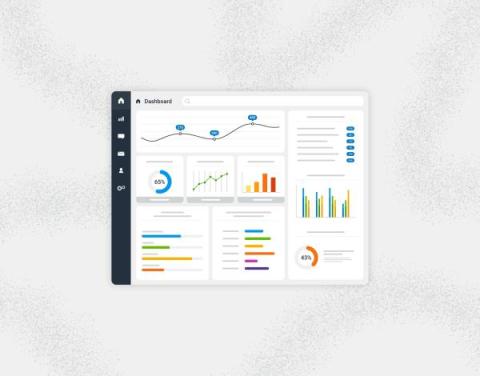
Predictive analytics are a powerful tool, enabling organizations to make informed data-driven decisions. These tools are far-reaching and can deliver impactful results, either in the long term, like supply chain management and overall equipment effectiveness, or in the short term, like anomaly detection. Let’s take a look at what predictive analytics are and how to power predictive analytics engines for continued, meaningful insight into your data and operations.

6 Things Customers Love After Switching To CloudZero

Cloud costs are notoriously hard to predict—trickier than deciphering the emotions of a housecat. Traditional cost management tools leave many companies with a lack of visibility into where their money is going, which holds back engineering teams from making informed savings decisions. These tools also fail to bridge the gap with finance teams, who speak a different language than their developer counterparts.

Troubleshoot anomalies in workload performance with Watchdog Insights and Alerts for Live Processes

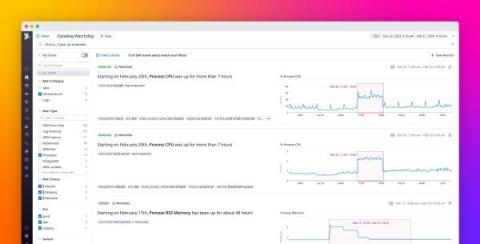
Processes—the service workloads that run on your infrastructure—are the building blocks of your application, and it’s critical to know how well they operate at every level of the stack. Degraded process performance can lead to downtime for your mission-critical services, resulting in loss of customer trust and potentially impacting revenue for the business.

Crafting new Linux schedulers with sched-ext, Rust and Ubuntu

In our ongoing exploration of Rust and Ubuntu, we delve into an experimental kernel project that leverages these technologies to create new schedulers for Linux. Playing around with CPU scheduling policies has always been a dream for many kernel hackers and OS enthusiasts. However, such material typically remains within the domain of a few core kernel developers with extensive years of experience.

A Comprehensive Guide to Status Pages in 2024

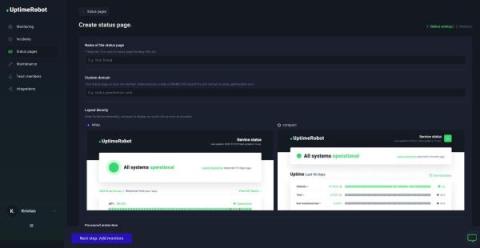
Status pages are one of the best additions to your monitoring that can significantly reduce the number of support tickets or improve the efficiency of your teams and processes. There are multiple benefits hidden in creating a custom status page, so let’s take a look at all of them and how you can implement them immediately.

Build better Service Level Objectives (SLOs) from logs and metrics

In today's digital landscape, applications are at the heart of both our personal and professional lives. We've grown accustomed to these applications being perpetually available and responsive. This expectation places a significant burden on the shoulders of developers and operations teams.

LangChain tutorial: A guide to building LLM-powered applications

Large language models (LLMs) like GPT-4 and LLaMA have created a whole world of possibilities over the past couple of years. It’s heralded a boom in AI tools and applications, and ChatGPT has become a household name seemingly overnight. But this boom wouldn’t be possible without the powerful tools and frameworks created to facilitate this new generation of apps. One of these frameworks is LangChain, which makes it easy to build new apps using existing LLMs.

Gartner Lays out Three Use Cases of Network Detection and Response (NDR) Adoption

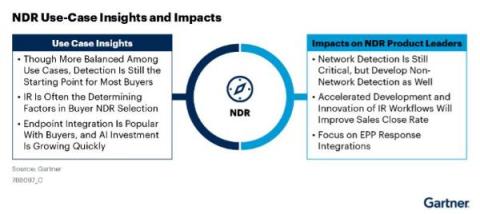
The Gartner recent report, “Emerging Tech: Top Use Cases for Network Detection and Response”, lays out three primary use case drives, which include: Before we dive deeper into Gartner findings, let’s talk about NDR from a high level.

Incident Commander Training Strategies: What The Books Don't Tell You

It has been lightly revised and reposted with his permission from the original article on Medium. So, you’re training incident commanders (IC), and you have your group read Google’s SRE books. Everyone knows what they are supposed to do and you are ready for any incident, right? Not quite. Half of your team complains that the descriptions are too vague or don’t apply to their situations, and the other half just starts to improvise. The result?

APM From a Developer's Perspective

In twenty years of software development, I did not have the privilege of being on call, of tending to my software in production. I’ve never understood what “APM” means. Anybody can tell me what it stands for—Application Performance Monitoring (or sometimes, the M means Management)—but what does it mean? What do people use APM for?