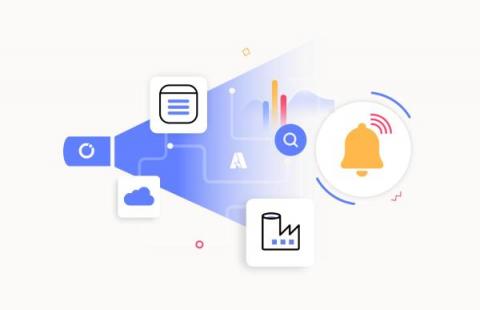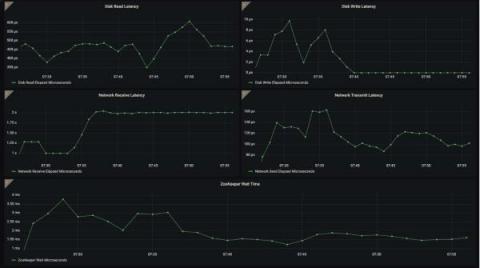
ClickHouse is an open source, column-oriented database management system designed for OLAP (analytical) workloads. ClickHouse supports various data formats and SQL queries, and is popular for clickstream analysis as well as log processing use cases. We are pleased to announce that ClickHouse now has a dedicated observability integration in Grafana Cloud, which makes it easy to troubleshoot issues, track potential latency, and prevent data loss.
Generative Artificial Intelligence (AI) is commanding conversations these days, a never-before-seen system that’s captured many millions of users since its debut in November 2022. A machine learning innovation that creates content of all kinds (and that’s just the beginning), generative AI also comes up with new product designs and optimizes business processes. We have only begun to exploit and understand this disruption.
Just when you thought everything that could be shifted left has been shifted left, we’re sorry to say you’ve missed something: observability. Modern software development—where code is shipped fast and fixed quickly—simply can’t happen without building observability in before deployments happen. Teams need to see inside the code and CI/CD pipelines before anything ships, because finding problems early makes them easier to fix.
As organizations continue to shift their operations to cloud networks, maintaining the performance and security of these systems becomes increasingly important. Read on to learn about incident management and the tools and strategies organizations can use to reduce MTTR and incident response times in their networks.
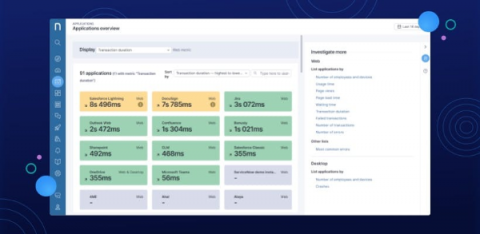
We have seen in the Series 1 of How To Improve the Performance of SaaS Applications using Nexthink on how Nexthink Application Experience could be leveraged to proactively monitor Page load times of Web Applications to improve user experience and application performance for increased business value. Let us see in part 2 of this series how Nexthink could be leveraged to monitor Application Transactions.
Migrating to a cloud model would reduce costs and let me focus on consumption pricing; reduce complexity by moving backend software and hardware support to the provider; and increase agility by letting my developers use all those nifty new tools that were emerging daily from cloud providers. The data center was heading the way of the dinosaurs! All was good. Everyone was happy. Well, in theory anyway. Until reality kicked in.