The core functionality of the Java Instrumentation API lies in its ability to modify the bytecode of classes being executed by the virtual machine. This capability allows for a range of monitoring tasks to be carried out, such as event recording and data gathering, which can provide valuable insights into an application's performance and behavior.
In the past few months, our team has worked hard to enhance our database features. We've made significant updates to our database management capabilities, giving our customers the ability to manage multiple logical databases on the same server (or cluster) and to create custom database users.
We’re excited to announce an expanded partnership with CrowdStrike and introduce CrowdStream, a powerful new native platform capability that enables customers to seamlessly connect any data source to the CrowdStrike Falcon platform.
Spring marks a season of growth, and HAProxy was in full bloom in the Spring 2023 G2 reports. Our users continue to share their positive experiences on G2 and show how new users can use HAProxy to simplify, scale, and secure their application delivery infrastructure.
This is a tutorial for deploying Prometheus on Kubernetes, including the configuration for remote storage on Metricfire. This tutorial uses a minikube cluster with one node, but these instructions should work for any Kubernetes cluster. Here's a video that walks through all the steps, or you can read the blog below. You can get onto our product using our free trial, and easily apply what you learned.
Azure App Service is a fully managed platform-as-a-service (PaaS) solution for deploying web applications, event-driven functions, RESTful APIs, and more. Azure App Service enables developers to quickly build and release services that scale dynamically—without worrying about provisioning and maintaining infrastructure. Last year, we released the Datadog extension for Azure App Service for deep visibility into your Windows.NET applications.
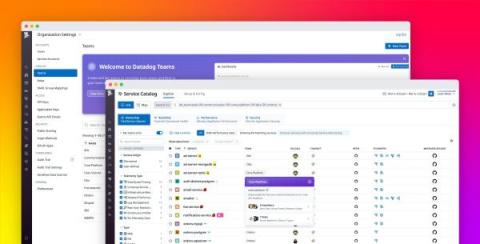
As organizations evolve and their stacks become more complex, they need increasingly robust visibility into their cloud-based infrastructure, services, and applications. Meanwhile, teams within these organizations tend to become more specialized and siloed. As they multiply across offices and time zones, these teams must be enabled to collaborate flexibly without muddling their distinct day-to-day priorities.
Recent advances in AI-powered chatbot technology will change the way humans interact with applications and machines. AI will likely boost current IT Service Management (ITSM) chatbot capabilities and directly affect how knowledge management will be provided in the future. Let’s look at how AI in knowledge management is affecting content creation, management, and access.