As we have previously announced: Notifications-only sub-users are here! After receiving your feedback, we realized that full-featured sub-users may not be the ideal option for everyone. This new feature is ideal for our UptimeRobot users who want to get alerted teammates or clients but don’t want to share access to account or monitors. You can manage your team mates and their access on the Team page. Here you can add / edit / remove seats with write, read, or notify-only access.
Honeycomb recently announced the launch of Service Map, a new feature that gives users the ability to quickly unravel and make sense of the interconnectivity between services in highly complex and intricate environments.
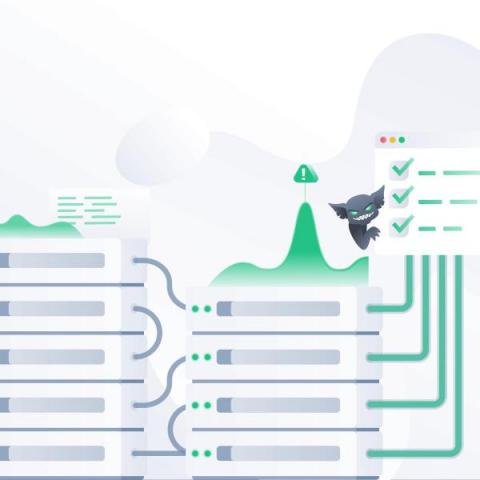
Having your systems monitored by a reliable solution is important, but how do you ensure that the right people are informed about issues that arise? Identifying problems is the first step, but they also need to be routed to the appropriate individuals. Keep in mind that employees may not always be sitting in front of the dashboard. This means being available outside of normal working hours to quickly respond to emergencies and problems, including not only weeknights but also weekends and holidays.
During the COVID-19 Pandemic, it was reported that cybercrime increased by 600%. As the world has become more reliant on technology, whether for personal life or for business, cyberattacks have risen with it. Unfortunately, there are a lot of cybersecurity misconceptions that prevent businesses from adequately preparing for and responding to these attacks. More time and resources need to be spent protecting this critical information.
Imagine a perfect world where software releases ship bug-free. Developers write perfect code the first time, all tests pass without issues, operations teams effortlessly deploy builds to production, and customers never experience defects. Everyone's happy, and the Engineering team can focus exclusively on building and delivering features. Of course, we don't live in a perfect world.
The AWS Command Line Interface (CLI) is a powerful tool that allows you to manage your AWS resources from the command line. Whether you are a developer, system administrator, or DevOps engineer, the AWS CLI can help you automate and streamline your workflows, increase productivity, and improve the security of your AWS infrastructure. In this article, we’ll cover the basics of installing and configuring the AWS CLI on Windows, Mac, and Linux.