Operations | Monitoring | ITSM | DevOps | Cloud

The future of work paves a new path to customer obsession

he accelerated digital transformation we've witnessed since the beginning of the pandemic has provided plenty of people-centric opportunities, especially as we automate mundane tasks. All of the innovations that shook the industry—the advent of robotics and automation, the collection of employee data to build user behavior baselines, and the shift in power from employers to employees—have driven us to a place we used to call the future of work, which is here now.

Observability Pipelines: Helping Your Data Do More

With an exploding volume of data and systems comes the need for observability, or the ability to understand the internal states of a system from knowledge of its external outputs. As a result, observability data's importance is at an all-time high. Businesses spanning every industry use it in various ways to respond to issues, increase agility, mitigate risk, and ultimately provide better experiences for their users. It’s an incredibly valuable commodity.

Application Control for Windows

Application Control for Windows combines dynamic allowed and denied lists with privilege management to prevent unauthorized code execution without making IT manage extensive lists manually and without constraining users. Automated requests and approvals via Service Desk systems lighten the load for IT staff while providing users a streamlined experience.

Datadog alternatives for cloud security and application monitoring

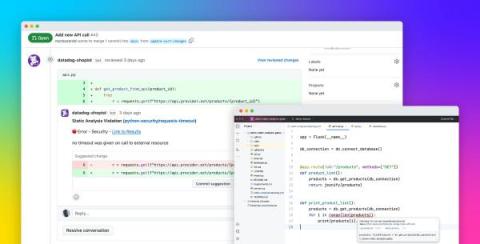
If you work in IT or DevOps, unless you’ve been living on a remote island without Internet access, you’ve likely heard of Datadog, a popular platform for monitoring cloud applications. Datadog collects and interprets data from various IT resources. The resulting insights assist in managing performance and reliability challenges to deliver a better end-user experience.

How to monitor DNS query response time

DNS (Domain Name System) servers translate standard language web addresses to their actual IP addresses for network access. DNS response time is the time it takes a Domain Name Server to receive the request for a domain name’s IP address, process it, and return the IP address to the browser or application requesting it. When it comes to DNS response times, the lower the better, and generally values less than 100ms are considered to be in the acceptable range (depending on the application).