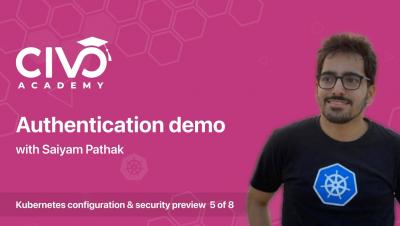
How to Authenticate a Kubernetes Cluster (demo) - Civo Academy
Learn how authentication works in Kubernetes and how to authenticate a specific cluster in your environment.


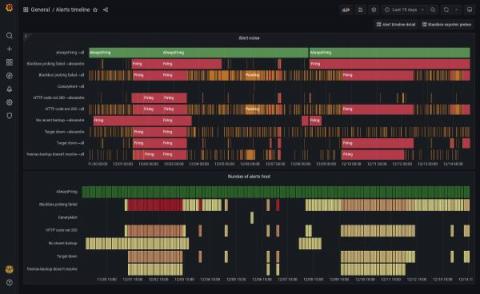
There is one universal truth about using Grafana: Dashboards are easy to create, but not-so-easy to organize. As organizations scale, there’s a high risk of unchecked dashboard sprawl, when dashboards become an unmanageable mess. As the number of users increase, so does their dashboard output. Our guide to dashboard management gives an overview of features that help with organizing dashboards, but there are still two pain points.
The term “essential” is thrown around pretty loosely these days. That new show about the hospital (no, not that one… not that one either… yeah that one) is advertised as essential viewing. A newly-released track by a hip hop artist that describes how little they need to release new tracks in order to live much, much better than the rest of us? That’s essential listening.
Given the strategic importance of the cloud and size of cloud expenditures, it’s critical for enterprises to have solid controls in place to manage it all. According to our latest research, however, while most organizations agree with that sentiment, very few have put it into practice. There are distinct but related disciplines that come into play: FinOps and cloud governance. In this two-part series, we explore current state of each.
If an IT ticket is submitted, then it’s already too late. But what if you could get ahead of the pile up, reduce IT tickets, and solve issues before the tickets ever appear? Digital workplace technology is evolving fast, fueled by the post-pandemic realization that IT is vitally responsible for the productivity and satisfaction of modern organizations. But it’s not all going to plan.
Organizations cannot rely on a single source of data on which to base their entire cybersecurity strategy – particularly their vulnerability management programs. Case in point: The National Vulnerability Database, or NVD. This publicly available database of known vulnerabilities covers an enormous array of all the different vulnerabilities that currently affect applications, software and hardware applications.