Operations | Monitoring | ITSM | DevOps | Cloud

Endpoint Devices Explained (with Examples)

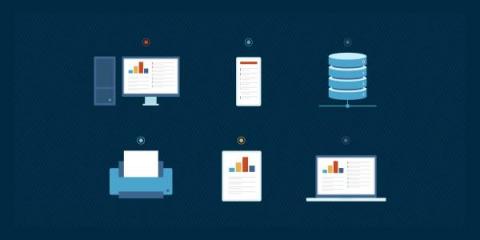
By 2030, experts predict that there will be over 40 million connected devices worldwide. These “devices” are a variety of endpoints, such as laptops, smartphones, computers, and more. Businesses and organizations around the world rely on these endpoints to complete tasks, communicate, and access information. In this overview, we’ll go over the different types of endpoint devices and how they affect an IT environment.
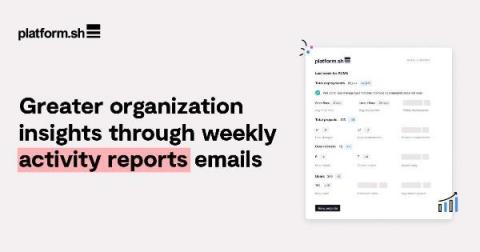
Greater organization insights through weekly activity reports emails

Keeping track of your project-related activities can be an overwhelming task. With so many projects, tickets, users, and deployments happening simultaneously, having a clear and simple high-level overview of your entire organization is a very welcome addition to any team. That’s why we’ve created our Weekly Organization Activity Reports which will help to keep you on top of changes across various Projects within your organization.

How to get started with monitoring Apache Cassandra with Grafana Cloud

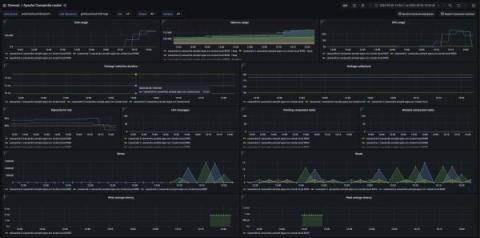
Apache Cassandra is a highly scalable, open source NoSQL database system designed to handle large amounts of data across multiple commodity servers with no single point of failure. Apache Cassandra can be run as a single node but starts making sense when its run in a cluster setup. The system is optimized for high write throughput and is known for its ability to handle big data workloads with ease at super-low latencies.

Expanding Our Vision: Unifying Client-Side Observability Data

In 2021, we started Request Metrics as a simple and developer-friendly service to measure and improve web performance. We built an incredible platform that distilled complex data down into simple reports and recommendations. Lots of teams around the world found valuable insights in Request Metrics that they couldn’t get anywhere else. But web performance data can be very unpredictable—the web slows down in all sorts of ways.

Top Reasons to Embrace a Hybrid Multi-Cloud Strategy

It is not always possible or necessary for an organization to rely solely on cloud resources. For example, requirements might call for on-premises infrastructure for privacy reasons. Alternatively, some organizations might use both on-premises infrastructure and public cloud services provided by companies like AWS, Azure, or Google.

How To Spot Cost Inefficiencies In Your Cloud

It’s almost impossible to create an optimized cloud system out of the gate and keep it running at a perfect balance over the long term. There’s almost always something that could benefit from some tweaks and adjustments. Cloud costs have a way of creeping up slowly while you’re not paying attention. And if you’re not careful, they can spiral out of control before you realize anything is happening.

Four Years as a Public Company

Four years ago tomorrow, our team rang the bell to open the NYSE for PagerDuty’s IPO. We spent two weeks traveling to meet hundreds of prospective investors in person, sustained by a diet of Cheetos and green M&Ms, sneaker-clad walks to meetings, and unwinding with bad karaoke. We’ve grown in many ways in our first four years as a public company. We have more than doubled the number of customers on the PagerDuty platform, and nearly tripled the number of users.

How to Measure Jitter & Keep Your Network Jitterbug Free

Has your network been bitten by the jitterbug? Are you tired of your network dancing the jitterbug? Do you find yourself constantly tapping your foot waiting for pages to load or downloads to finish? Network jitter is your network's biggest enemy when using unified communications and real-time apps like IP telephony, video conferencing, and virtual desktop infrastructure. Troubleshooting and measuring jitter helps you avoid sounding like a robot on video calls.

Understanding Qovery Pricing: Transparent and Flexible Billing

At Qovery, we understand the importance of transparency when it comes to pricing, especially for our customers who rely on our services to power their applications. One of the most frequently asked questions we receive is about our billing system, the meaning of "Active Developers," and how we adjust pricing based on usage.