Digital business is an imperative for 21st-century companies. Increasingly, organizations are directing investments toward technologies that deliver outcomes fast and enable more resilient digital business models. In this landscape, incidents such as software bugs, power outages, or downed networks have major consequences that affect both revenue and customer loyalty.
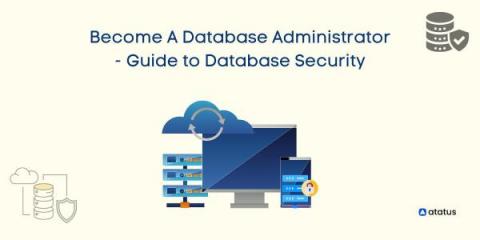
Database security includes a variety of measures used to secure database management systems from vicious cyber-attacks and illegitimate use. Database security programs are designed to protect not only the data within the database but also the data management system itself, and every application that accesses it, from destruction, mishandling, and unauthorized access.
Even reducing the loading time of our website by a second can have a drastic impact on the traffic we get. It is vital for our websites to load quickly in this fast-moving world, where all the information we need can be found within a blink of an eye. One way to achieve it is using Gzip compression. The Gzip algorithm compresses and decompresses data in order to make websites load faster in a client's machine.
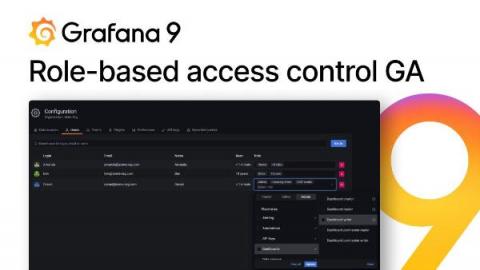
Role-based access control (RBAC), previously referred to as fine-grained access control (FGAC), is Grafana’s new authorization system. It was introduced as a beta feature in Grafana 8.0 release a year ago, and we’re now excited to promote it to general availability status. With the release of Grafana 9.0 during GrafanaCONline 2022, RBAC is enabled by default for all instances. (The easiest way to get started with Grafana 9? Sign up for a free Grafana Cloud account today.)
It’s been a busy month at FireHydrant. We’ve had our heads down shipping loads of improvements across the platform, and I want to take you on a quick tour of the changes. At the core of all these updates is a common theme: things are now a heck of a lot more intuitive. There’s a lot to digest here; read the full roundup of June releases below or follow us on Twitter for a bite-size demo each day this week.
There are multiple factors including speed, performance, UI interactions, etc. which are critical to the success of your iOS application. Slow and unresponsive applications are despised by users, so it’s critical to thoroughly test before releasing to the public.
In our on-demand webinar, Obkio’s network pros go over our network diagnostics process of how to locate and troubleshoot live network issues faster easter with Obkio network performance monitoring vs. traditional monitoring solutions. Networks are changing, and monitoring solutions need to keep up.
This post highlights some of the features and improvements that we have released in the last 3 months. If you want to submit your own ideas or vote on existing feature requests, you can now use our new public roadmap at roadmap.ilert.com.