The latest News and Information on Monitoring for Websites, Applications, APIs, Infrastructure, and other technologies.
The terms “workload” and “application” are sometimes thrown around interchangeably, but they are not the same, and it’s important to understand the difference.
If you haven’t signed up for our upcoming April 21 Work Anywhere Webinar with Exoprise and Forrester, now is a good time. The webinar highlights the challenges that businesses face today due to Covid disruption and innovative solutions to mitigate these challenges. Millions of Americans now work from the comfort of their home using Microsoft 365, Teams, Zoom, and other critical SaaS application services for their daily activities.
Azure Service Health continuously notifies you of issues that may affect the availability of your environment, such as service incidents, planned maintenance periods, or regional outages. We’ve recently enhanced our Azure integration to include additional support for monitoring Service Health issues, enabling you to keep tabs on the health of your Azure environment and take proactive measures to mitigate downtime.
Nowadays, most applications we build are composed of microservices and distributed in nature. In such a setup, communication between these microservices is crucial, but can, unfortunately, cause some headaches. The first thing I check when I’m troubleshooting a bug in production is inter-service communication. Having a reliable tool at your disposal to take care of this can reduce a lot of stress. RabbitMQ, a hybrid messaging broker, is one such tool.
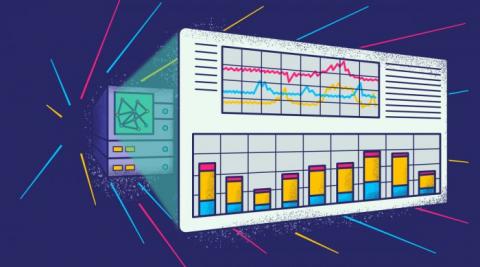
Grafana is a popular way of monitoring and analysing data. You can use it to build dashboards for visualizing, analyzing, querying, and alerting on data when it meets certain conditions. In this post, we’ll look at an overview of integrating data sources with Grafana for visualizations and analysis, connecting NoSQL systems to Grafana as data sources, and look at an in-depth example of connecting MongoDB as a Grafana data source.