Operations | Monitoring | ITSM | DevOps | Cloud

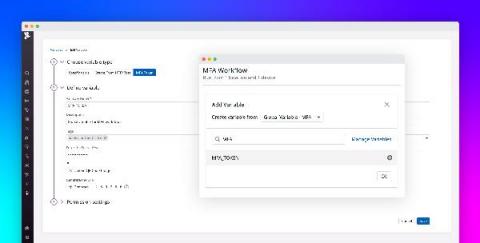
Introducing multi-factor authentication in Datadog Synthetic tests

Multi-factor authentication (MFA) is an increasingly popular method for securing user accounts that requires users to provide two or more pieces of identifying information when logging into an application. This information can consist of unique verification links or codes sent to the user’s phone or email address, as well as time-based one-time passwords (TOTPs) generated by authenticator applications or hardware.

Sponsored Post

Webinar featuring IDC's Mark Leary: Make your IT operations future-proof with the Branch of One architecture

At the start of the pandemic, IT organizations had to undergo radical changes to support remote work. Given the urgency to shift to remote operations, IT admins opted for band-aid solutions to retain business continuity and stay connected to the core of their networks from remote locations. But now, many organizations are moving toward hybrid workforce options with employees choosing to work from both their home and office locations.

Apache Monitoring: Best Tools and Key Metrics to Track Web Server Performance

The Apache HTTP Server (httpd) is a widely used, open-source web server application. Because you can easily customize it through modules, it has become the go-to choice of both individuals powering their personal blogs and enterprises running high-traffic websites and web apps. It’s a well-known fact that with high traffic, the performance of Apache web servers can take a hit, experiencing bottlenecks as your traffic scales up, which will lead to delayed responses.

A Complete Guide to Understand HTTP Status Codes

whenever we go to a website, whether it's an online store to buy clothes or to check the status of our bank account, we need to type the URL into the browser. When you click on the relevant page, a request is sent to the server, and the server always responds with the HTTP three-digit code. This HTTP status code tells us if our request was successfully completed or whether there was an error that prevented the server from serving the content that users or visitors were trying to access.

Assessing the Quality of Service from ISPs

Before you can achieve access to any cloud service a connection to the internet is required. Sounds simple enough, however, the challenge lies not only with the internet connection itself, but the provider of the service as well. Not all internet service providers (ISPs) and pathways to the internet are created equally which makes assessing and understanding the quality of the service you’re on a critical step toward maintaining business productivity.

AI Never Sleeps in the Data Center

A data center typically employs between 30-200 people depending on the size and the intended project use. But only a fraction of those folks run the IT side. Besides swapping gear—the infamous “remote hands”—there isn’t much to do as long as there aren’t any outages, and rumor has it a data center is a nice place to sleep—it’s dark, cool, and the deep humming noise can have a pacifying impact on some.

The Peopleware Running Cloud DevOps

Early this year, we set out on a journey to onboard a new cloud engineering team at JFrog. Many can relate to the challenges involved with onboarding a new team, these were amplified even more during the pandemic. However this blog post is not about COVID-19, it is about sharing our experience of fine-tuning the onboarding path for this unbeatable group. TL/DR: What it takes to build and onboard a team of junior engineers into the existing JFrog Cloud engineering team.

Not Another Phishing and Ransomware Blog!

What can I say further about Ivanti’s mobile threat defense (MTD) solution for iOS, iPadOS and Android devices that has not already been mentioned in any of my previous blogs and quick video demos? If I was to state where Ivanti has a clear advantage over other unified endpoint management competitors, it is with Ivanti’s MTD solution.