Operations | Monitoring | ITSM | DevOps | Cloud

Announcing support for Oracle Arm-based Ampere A1 instances

Arm processors have long been at the center of mobile computing, powering billions of smartphones, tablets, smartwatches, and other IoT devices. Today, these processors are beginning to see broader adoption in the cloud as they promise better performance, higher energy efficiency, and lower costs than their x86-based predecessors. Just this week, Oracle announced its new Oracle Cloud Infrastructure Ampere A1 Compute platform, built on the Ampere Altra Arm processor.
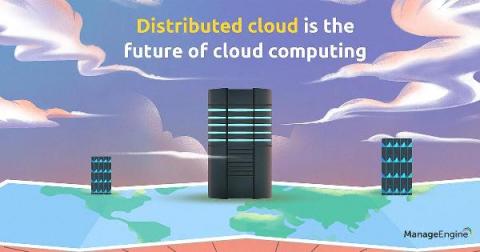
Five worthy reads: Distributed cloud is the future of cloud computing

Five worthy reads is a regular column on five noteworthy items we’ve discovered while researching trending and timeless topics. Distributed cloud allows organizations to bring cloud computing closer to their location. This week we look at why it’s the future of cloud computing.

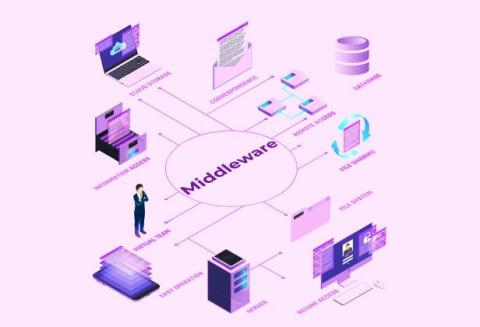
How important is middleware monitoring for organizations?

As any organization grows and goes wider and bigger, their infrastructure and the IT landscape also expands. The “N” number of dependencies and running tasks at a moment needs careful monitoring. However, bigger the organization, the more complex and difficult it gets to monitor the transitions and communication. Without the smooth transactions and perfectly running operations team, day-to-day business would go through many hurdles.

How to alert on high cardinality data with Grafana Loki

Amnon is a Software Engineer at ScyllaDB. Amnon has 15 years of experience in software development of large-scale systems. Previously he worked at Convergin, which was acquired by Oracle. Amnon holds a BA and MSc in Computer Science from the Technion-Machon Technologi Le' Israel and an MBA from Tel Aviv University. Many products that report internal metrics live in the gap between reporting too little and reporting too much.

Announcing Harvester Beta Availability

It has been five months since we announced project Harvester, open source hyperconverged infrastructure (HCI) software built using Kubernetes. Since then, we’ve received a lot of feedback from the early adopters. This feedback has encouraged us and helped in shaping Harvester’s roadmap. Today, I am excited to announce the Harvester v0.2.0 release, along with the Beta availability of the project!

What Happens When I Execute a Query?

To many developers and system administrators—and even to some database administrators—database engines are a black box. They’re complex pieces of software that, in some cases, even have their own operating systems—the database engine manages its own memory, reads and writes to disks, and handles numerous other system functions. In this post, you’ll learn about a specific feature of database engines—query optimization.

Synthetic Monitoring of Amazon WorkSpaces

Amazon WorkSpaces enables you to provision virtual, cloud-based Microsoft Windows or Amazon Linux desktops for users. WorkSpaces eliminates the need to procure and deploy hardware or install complex software. You can quickly add or remove users as your needs change. Users can access their virtual desktops from multiple devices or web browsers.