Amazon Elastic Block Storage (EBS) is an efficient and durable block storage service. It is especially great for rapidly changing data on Amazon Web Services (AWS). Besides, Amazon EBS GP volumes promise a balance between performance and cost savings. In this guide, we see if that is the case. We’ll also tell if switching from your current EBS volume type is worth the while.
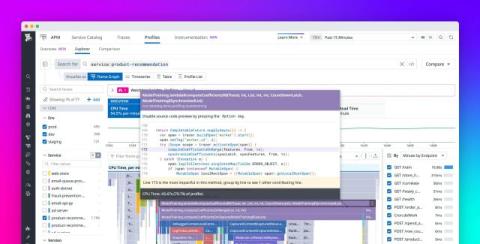
The use of code profiling to troubleshoot application performance can appear daunting to the uninitiated, and many software engineers even assume that this domain is reserved for niche specialists. But here at Datadog, one of the key goals for our Continuous Profiler product has been to take this seemingly intimidating practice of code profiling and make it more accessible to engineers at all levels.
Did you know you can find variables by name and tag? Like the ability to find currently defined classes (as described in Feature Friday #13: classesmatching()) that match a name or tag, you can find variables by name and tag. It’s a nifty capability. variablesmatching() returns a list of variable names that match the name and tag criteria.1 variablesmatching_as_data() returns a data container of the matching variables along with their values2.
While some monitoring tools excel at a specific task, observability works best when you have a holistic view of your system. You need a platform capable of working with all of your telemetry collectively, otherwise you can end up with a complex, inefficient, and expensive collection of incongruent, siloed tools. That’s what one team at Dell Technologies realized before they made a switch to Grafana Cloud last year.
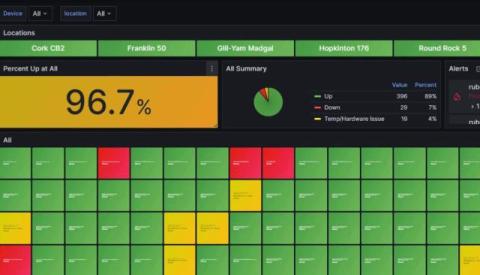
“It’s the network again.” That is what most people think of when they experience degradation in their digital interactions. Whether it’s an app that won’t load, a 404 error, or garbled speech in a streaming conversation—the network’s reputation always seems to take a hit when things go wrong. Battling this perception with facts is essential. This requires knowing what’s up, what’s down, and what’s affected.
Earlier this year, we introduced a new logging and performance monitoring tool, Honeybadger Insights. You can finally send your logs, application events, and telemetry data to Honeybadger! Once you do, you can query your logs and events to diagnose performance issues, perform root-cause analyses, and create beautiful charts and dashboards to see what's happening in real time.
Gaining insights into DCSync attacks is key to fortifying your Active Directory (AD) against these sophisticated threats. By exploiting legitimate AD replication protocols, attackers can discreetly extract sensitive information, such as password hashes and Kerberos tickets. Recognizing these attack vectors enables you to implement more effective monitoring and auditing tools, enhancing your overall security posture.
Full stack observability is not merely about collecting data but about providing actionable insights. It empowers you to see beyond isolated metrics and logs, facilitating a deeper understanding of the interconnected nature of modern software systems. By implementing full stack observability, you can maintain operational integrity, swiftly address performance issues, and ensure a seamless user experience.
The Health Insurance Portability and Accountability Act (HIPAA) enforces how you must retain and protect sensitive user data in a healthcare setting. Compliance is mandatory, and knowingly breaching HIPAA rules (including disclosing health information of individuals) comes with hefty fines and even jail time. It is important that your data practices and infrastructure and the third parties you trust to store and protect sensitive information, recognize and comply with HIPAA regulations.